

If you are searching for exercises to gain weight for females, the most effective route is to build muscle strategically, not to simply add random calories. Muscle is metabolically active, improves posture, and supports bone density, which matters during pregnancy, postpartum recovery, and menopause. Evidence shows that two to four days per week of resistance training with progressive overload can significantly increase lean mass in women within 8 to 12 weeks. At Health Moves Cairns, our Exercise Physiologists tailor programs that respect your life stage and medical context while helping you lift safely, recover well, and enjoy training in a supportive, child-friendly space.
In this guide, you will find ten proven movements, sample schedules, and guidance on recovery and supporting factors that complement training without guesswork. You will also learn how to scale loads using the Rating of Perceived Exertion (RPE) scale and how to adapt sessions across pregnancy, after birth, and during perimenopause. To help you act today, we include real client scenarios and simple tables so you can plan with confidence. Ready to build healthy curves and everyday strength that serves you at home, at work, and at play?
Why Muscle-Based Weight Gain Matters for Women at Every Life Stage
Gaining weight through muscle is a powerful health investment for women. Research suggests that women can increase lean mass at a similar relative rate to men when programs are well designed and protein needs are met. Muscle gain supports joint stability, improves insulin sensitivity, and counters age-related muscle loss that can reach 1 percent per year after age 40. For women navigating pregnancy and the postpartum period, stronger glutes, back, and core assist with lifting, carrying, and pelvic stability, while in menopause, strength training helps preserve bone mineral density and reduces fall risk.
From a programming perspective, hypertrophy responds best to 6 to 12 repetitions for 3 to 5 sets per exercise, with rests of 60 to 120 seconds and loads that feel like 7 to 9 on the Rating of Perceived Exertion (RPE) scale. Appropriate dietary support varies by individual; work with a qualified dietitian or your healthcare team to tailor energy and protein targets to your goals. These ranges are a starting point, then your plan is individualized by an Exercise Physiologist.
| Life Stage | Weekly Sessions | Intensity Guide | Key Notes |
|---|---|---|---|
| Pre-natal | 2–4 | RPE 6–8 (Rating of Perceived Exertion) | Emphasize posture, pelvic floor, and breathing; avoid supine after first trimester as tolerated; consult your care team. |
| Post-natal | 2–3 | RPE 5–7 | Rebuild core and hip strength; screen for diastasis recti and pelvic symptoms; progress loads gradually. |
| Peri/menopause | 3–4 | RPE 7–9 | Prioritize heavy compound lifts, power work as appropriate, and adequate recovery for sleep and symptoms. |
| Adolescent girls | 2–3 | RPE 6–7 | Technique-first, supervised; build confidence with bodyweight then external load; focus on fun and skill. |
| General adult | 3 | RPE 7–8 | Full-body or upper/lower splits; track progress and fuel adequately; deload every 6–8 weeks. |
10 Science-Backed Exercises to Gain Weight for Females
These ten movements emphasize large muscle groups and stable, functional patterns. They are supported by electromyography (EMG) research, clinical practice guidelines, and decades of strength training data. Choose a load you can lift with crisp form while reaching near effort in the final 2 to 3 repetitions. If in doubt, start lighter, master the pattern, then add weight next session. Imagine a simple diagram: a stick figure hinging at hips for deadlifts, knees tracking over toes for squats, and a neutral spine maintained throughout.
Watch This Helpful Video
To help you better understand exercises to gain weight for females, we’ve included this informative video from Koboko Fitness. It provides valuable insights and visual demonstrations that complement the written content.
-
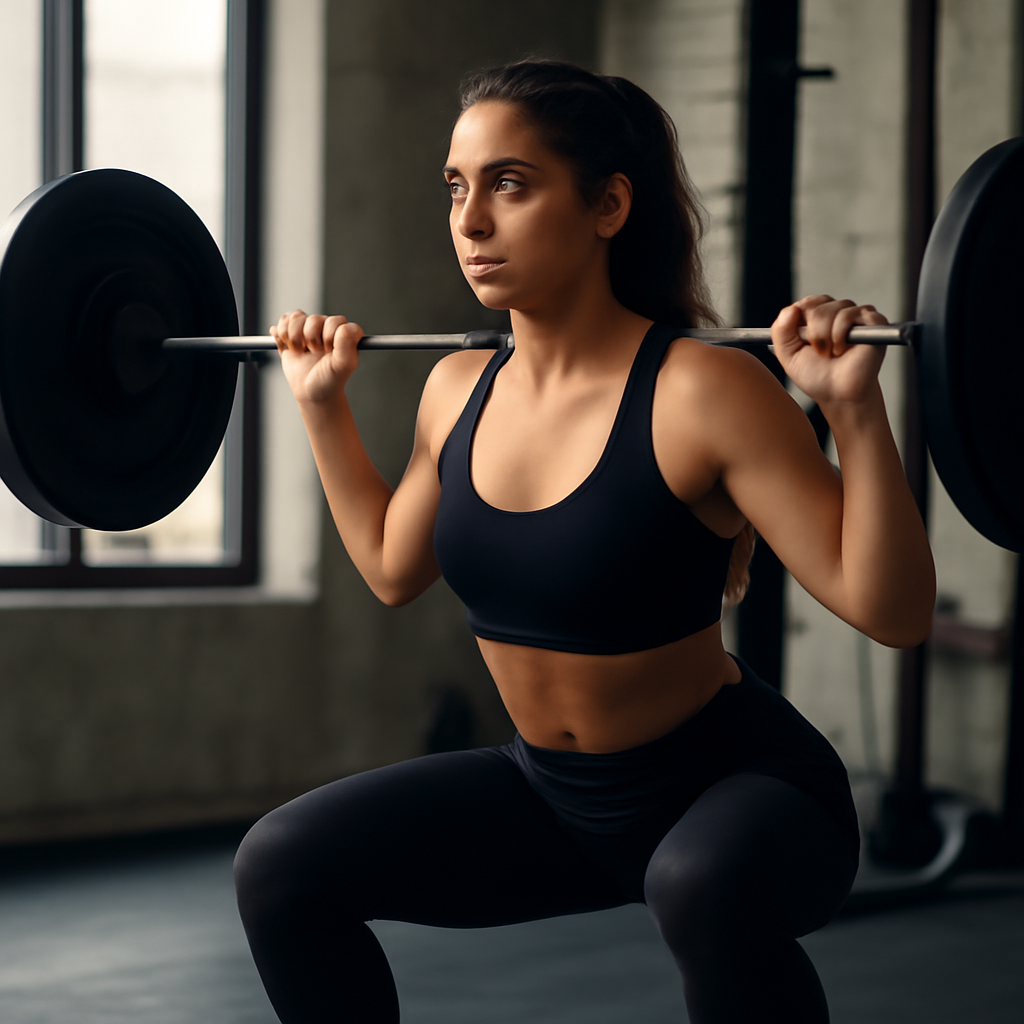
Back Squat or Goblet Squat
Why it works: Trains quads, glutes, and core, delivering strong anabolic stimulus. Start with the goblet squat to groove depth and posture, then progress to barbell back squats. Aim for 3–4 sets of 6–10 repetitions at RPE 7–8. Rest 90 seconds.
Coaching cues: Brace your trunk, sit between your hips, keep heels grounded, and drive up through mid-foot. Pregnancy mod: widen stance and use goblet position. Postpartum: build tempo control before load.
-
Romanian Deadlift
Why it works: Emphasizes hamstrings and glutes through a hip hinge with constant tension. Strong posterior-chain work supports lifting and reduces back strain. Perform 3–4 sets of 6–10 repetitions at RPE 7–8. Rest 90 seconds.
Coaching cues: Soft knees, long spine, push hips back like closing a car door, bar close to legs. Postpartum and beginners: use dumbbells first for range and control.
-
Hip Thrust or Glute Bridge
Why it works: High glute activation with manageable spinal load, great for hypertrophy. Do 4 sets of 8–12 repetitions at RPE 8. Rest 60–90 seconds. Add a pause at the top for extra stimulus.
Coaching cues: Chin tucked, ribs down, push through heels, reach full hip extension without arching. Pregnancy mod: floor bridges if bench feels awkward later in pregnancy.
-
Bulgarian Split Squat
Why it works: Single-leg strength to address imbalances and build quads and glutes. Do 3 sets of 8–12 repetitions per leg at RPE 7–8. Rest 60–90 seconds. Expect a big muscle-building punch with minimal load.
Coaching cues: Front shin vertical-ish, torso tall, slight forward lean. Beginners: static split squat. Use support for balance when needed.
-
Step-Up
Why it works: Functional for daily life and safe to scale with dumbbells. Choose a box height where you can drive through the whole foot. Do 3 sets of 8–12 repetitions per side at RPE 7. Rest 60–90 seconds.
Coaching cues: Softly control the descent, avoid pushing off the back leg. Perimenopause: include power-focused sets of 4–6 faster reps with lighter load for bone and tendon health.
-
Bench Press or Push-Up Variations
Why it works: Chest, shoulders, triceps, and trunk stability. Do 3–4 sets of 6–10 repetitions at RPE 7–8. Rest 90 seconds. Push-ups on an incline are a perfect entry point and progress quickly.
Coaching cues: Pack shoulders, slight arch, feet grounded. Postpartum: manage pressure with exhale on exertion and stop if you notice coning along the midline.
-
One-Arm Dumbbell Row or Chest-Supported Row
Why it works: Builds back width and thickness, aiding posture and breath mechanics. Do 3–4 sets of 8–12 repetitions per side at RPE 7–8. Rest 60–90 seconds. Support the torso if back fatigue limits form.
Coaching cues: Neutral neck, pull elbow toward hip, feel lower ribs anchored. Pregnancy: chest-supported options feel comfortable later on.
-
Lat Pulldown or Assisted Pull-Up
Why it works: Trains the lats for pulling strength and upper-back balance. Do 3–4 sets of 6–10 repetitions at RPE 7–8. Rest 90 seconds. Eccentric-focused reps help build capacity for future pull-ups.
Coaching cues: Drive elbows down, soften wrists, avoid shrugging. Use bands or an assisted machine to find the right effort.
-
Overhead Press
Why it works: Shoulder mass and core stiffness in one movement. Do 3–4 sets of 6–10 repetitions at RPE 7–8. Rest 90 seconds. Try dumbbells to explore a comfortable range of motion.
Coaching cues: Squeeze glutes, ribs stacked over pelvis, press slightly forward then up. Pregnancy: seated dumbbell presses often feel better.
-
Farmer’s Carry
Why it works: Whole-body integration building traps, forearms, and trunk endurance. Carry for 20–40 meters for 3–5 rounds at RPE 6–7. Short rests of 45–60 seconds.
Coaching cues: Tall posture, slow controlled steps, eyes ahead. Postpartum: start with lighter loads and shorter distances, focusing on pelvic floor pressure management.
| Exercise | Primary Muscles | Start Sets x Reps | Rest | Tempo |
|---|---|---|---|---|
| Back or Goblet Squat | Quads, glutes, core | 3–4 x 6–10 | 90 s | 3 down, 1 up |
| Romanian Deadlift | Hamstrings, glutes | 3–4 x 6–10 | 90 s | 3 down, 1 up |
| Hip Thrust | Glutes | 4 x 8–12 | 60–90 s | 1 up, 1–2 hold |
| Bulgarian Split Squat | Quads, glutes | 3 x 8–12 | 60–90 s | 2 down, 1 up |
| Step-Up | Quads, glutes | 3 x 8–12 | 60–90 s | Controlled |
| Bench Press | Pecs, shoulders, triceps | 3–4 x 6–10 | 90 s | 2 down, 1 up |
| Row | Lats, rhomboids, biceps | 3–4 x 8–12 | 60–90 s | 2 up, 2 down |
| Lat Pulldown | Lats, mid-back | 3–4 x 6–10 | 90 s | 2 down, 2 up |
| Overhead Press | Delts, triceps | 3–4 x 6–10 | 90 s | 1 up, 2 down |
| Farmer’s Carry | Traps, forearms, core | 3–5 x 20–40 m | 45–60 s | Steady |
How to Program Your Week for Progressive Gains
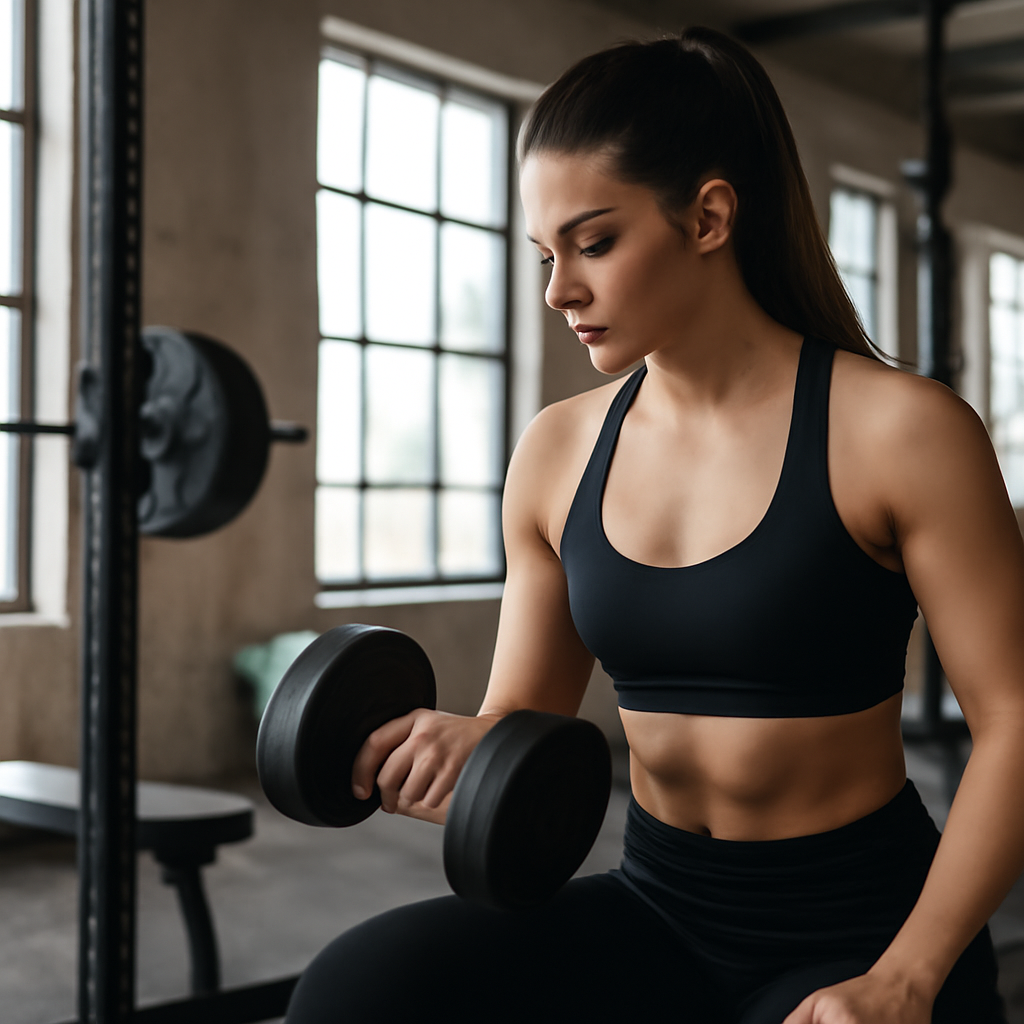
Consistency beats everything, so anchor your training to predictable days and times. Many women thrive on three full-body sessions per week that include two lower-body compounds, two upper-body pushes and pulls, and one loaded carry or core drill. Keep warm-ups specific, such as two light sets of your first lift, and use one to two accessory moves if time allows. Track loads, reps, and Rating of Perceived Exertion (RPE) so you can progress even when life gets full.
Below are sample frameworks you can tailor with an Exercise Physiologist at Health Moves Cairns. They balance stimulus and recovery while leaving space for walking, mobility, or pelvic floor work. Where childcare is needed, our child-friendly classes and flexible scheduling help you keep momentum. Remember, your ideal program is the one you can sustain for months, not days.
| Plan | Day | Exercises | Notes |
|---|---|---|---|
| 3-Day Full Body | Mon | Squat, Row, Hip Thrust, Overhead Press, Farmer’s Carry | Keep RPE 7–8; short mobility finisher |
| Wed | Romanian Deadlift, Bench Press, Step-Up, Lat Pulldown | Swap order if grip is fatigued | |
| Fri | Bulgarian Split Squat, Row, Hip Thrust, Push-Up | Optional core: dead bug or Pallof press | |
| 4-Day Upper/Lower | Mon | Lower: Squat, Romanian Deadlift, Hip Thrust | Heavier day; longer rests |
| Tue | Upper: Bench Press, Row, Overhead Press | Add biceps/triceps if time | |
| Thu | Lower: Split Squat, Step-Up, Carry | More unilateral balance work | |
| Sat | Upper: Lat Pulldown, Push-Up, Row | Finish with face pulls or band pull-aparts |
- Progression: add 2.5 to 5 kilograms (kg) when you hit the top rep range, or add one set if load cannot increase.
- Deload: every 6–8 weeks, cut volume by 30–40 percent for one week to refresh.
- Time-poor days: do the first two lifts only; success is showing up.
Eat, Sleep, Recover: The Other Half of Growth
Training provides the spark; recovery and appropriate nutrition build the structure. If you want tailored fueling targets or supplement advice, consult a registered dietitian or your healthcare team so recommendations match your medical history and goals. Small, consistent changes to sleep, stress, and daily routines often make the biggest difference to gains and day-to-day energy.
Sleep and stress matter as much as training. Aim for 7 to 9 hours of quality sleep, anchor a relaxing pre-bed routine, and hydrate consistently. Normal post-training muscle tenderness, called delayed onset muscle soreness (DOMS), should fade within 48 to 72 hours; if soreness lingers, scale volume or intensity. At Health Moves Cairns, we coach behavior change strategies like habit stacking and practical routines so recovery and everyday habits feel doable, even with a baby carrier on one shoulder and a work bag on the other.
| Focus | Target | Simple Habit |
|---|---|---|
| Nutrition | Individualised guidance from a dietitian or GP | Discuss personalised targets with a qualified clinician |
| Recovery | Adjust training based on soreness and energy | Scale volume or intensity if soreness persists beyond 72 hours |
| Sleep | 7–9 hours nightly | 30-minute wind-down routine |
| Hydration | Maintain regular fluid intake | Carry a water bottle and sip throughout the day |
How Health Moves Cairns Personalizes Your Plan
Health Moves Exercise Physiology is a Cairns-based clinic that helps women and families feel stronger and more resilient at every life stage. We deliver tailored, evidence-based exercise programs, emphasize functional movement and behavior change, and collaborate with General Practitioners (GPs) and other health professionals. Our team completes individual assessments, explores your training history, screens for pelvic floor considerations and orthopedic needs, then builds a plan you can actually live with. Because our environment is child-friendly, you can bring little ones along or join classes designed for families without sacrificing your goals.
What does this look like in real life? A new mother with pelvic heaviness might start with goblet squats, hip thrusts, and supported rows at Rating of Perceived Exertion (RPE) 6 to 7, paired with breath strategies and gradual load increases. A perimenopausal client seeking bone and muscle support might train back squats, Romanian deadlifts, and overhead presses at RPE 7 to 9, with sleep coaching and, where relevant, discussion with your GP or dietitian about supplements. Across cases, ongoing mentorship helps you navigate dips in motivation, and our collaboration with your General Practitioner (GP) aligns care so progress is safe and steady.
- Specialized women’s health programs: pre-natal, post-natal, and menopause.
- Evidence-based and functional movement strategies.
- Tailored assessments and individualized interventions.
- Collaboration with General Practitioners (GPs), physios, and allied health.
- Child-friendly environment and classes for families.
- Ongoing mentorship and support for lifestyle change.
Safety, Technique, and Progression by Life Stage
Safety is a training skill, and it starts with technique. Move through ranges you can control, keep a neutral spine, and stop a set when form breaks rather than chasing arbitrary numbers. Use the Rating of Perceived Exertion (RPE) to steer effort: 6 feels like two to four reps left in the tank, 8 like one to two, and 9 like a near max. If you experience pain, pelvic pressure, dizziness, or anything that feels unusual, stop and seek guidance from your clinician and coach.
During pregnancy, many women lift successfully with stance adjustments, neutral breathing, and exercise swaps that feel comfortable as the body changes. After birth, progressive loading can begin once you are cleared by your healthcare team and key symptoms are assessed; core and pelvic floor responsiveness guide choices. In menopause, prioritize heavier compound lifts, adequate protein, and recoveries that respect sleep and hot flush management. Across all stages, small, consistent improvements beat heroic sporadic sessions every time.
Bringing It All Together
Build your plan around big lifts, smart progression, supporting recovery and lifestyle habits, and compassionate coaching, and your body will respond with muscle, curves, and confidence. The combination of clear targets, measured effort, and sustainable habits turns intent into results you can see and feel.
Imagine the next 12 months with stronger hips and shoulders, steadier energy, and training that fits alongside work, family, and recovery. What would committing to two to four weekly sessions of exercises to gain weight for females open up in your life?
Additional Resources
Explore these authoritative resources to dive deeper into exercises to gain weight for females.
Gain Healthy Curves With Health Moves Cairns
Health Moves Cairns delivers tailored, evidence-based programs using functional movement, behavior change, and clinical collaboration in a child-friendly space to support lean weight gain and lasting strength.


