


You deserve a training plan that respects your biology, your schedule, and your goals. If you are building a strong, capable womens fitness body, the fastest path is not a random workout, but a smart system. In Cairns and beyond, Health Moves Cairns pairs evidence with empathy so you lift confidently through pre-natal, post-natal, and menopausal stages. Ready for practical steps you can use this week?
Below you will find seven strength secrets backed by research and real-world coaching. Each one is tailored to life stage, recovery needs, and the realities of family life. As you read, imagine how these strategies can fit into your day, not the other way around. Let’s turn aspiration into action, one rep and one routine at a time.
The Science of Strength for a Womens Fitness Body
Secret 1: Progressive overload without guesswork. Muscles grow and bones strengthen when you nudge them slightly beyond their current capacity, then recover well. Use the RPE (rating of perceived exertion) scale to choose loads that feel like 7 to 8 out of 10 on your hard sets. That usually lands you in the 5 to 8 rep range with 1 to 3 reps left in reserve. According to ACSM (American College of Sports Medicine), 2 to 3 strength sessions per week can improve strength and reduce injury risk across ages.
- Choose a weight you could lift 8 times but do only 6 with perfect form.
- Add a small load increase each week, or one extra rep, or slower tempo.
- Track two numbers: top set weight and total quality reps completed.
For example, a hinge pattern workout might be 4 sets of Romanian deadlifts, 3 sets of hip thrusts, and 3 sets of single-leg deadlifts. You would finish with 2 sets of carries and a gentle mobility circuit. Small, steady increases beat sporadic max-effort days every time.
Secret 2: Train movements, not body parts. A functional plan centers on six patterns you use in life: squat, hinge, push, pull, carry, and rotate. This approach improves how you lift kids, manage luggage, or step confidently on a trail. In pregnancy and postpartum, it supports core and pelvic floor integrity; in menopause, it protects bone density and joint comfort.
- Squat and hinge for hips and spine support when standing, lifting, or sitting.
- Push and pull for posture, shoulder health, and daily tasks like pushing prams and opening doors.
- Carry and rotate for core stability that translates to real-world strength.
Health Moves Cairns programs map these patterns to your goals, then scale intensity with form-first coaching. The result is a plan that feels practical today and powerful in six months.
Life-Stage Smart Training: Pre-Natal, Post-Natal, Menopause
Secret 3: Align strength work with hormones and recovery windows. ACOG (American College of Obstetricians and Gynecologists) supports at least 150 minutes of moderate activity weekly in uncomplicated pregnancies. Strength training remains beneficial when guided by your healthcare team, with special attention to breathing, pressure management, and pelvic floor comfort. After birth, rebuilding from the inside out safeguards long-term progress. In menopause, lifting becomes a key ally for bone health and metabolic resilience.
Watch This Helpful Video
To help you better understand womens fitness body, we’ve included this informative video from FITNESS CIRCLE. It provides valuable insights and visual demonstrations that complement the written content.
| Life Stage | Main Focus | Examples That Work | Be Cautious With | Health Moves Cairns Approach |
|---|---|---|---|---|
| Pre-natal (uncomplicated) | Core pressure control, whole-body strength, posture | Goblet squats, supported rows, farmer’s carries, incline push-ups, breathing drills | Valsalva holds, overheated environments, supine exercises late pregnancy if symptomatic | Tailored assessments, collaboration with GP (general practitioner), trimester-specific cueing |
| Post-natal (clearance given) | Pelvic floor coordination, gradual load, diastasis recti abdominis (abdominal separation) care | Tempo bridges, bodyweight squats, band pulls, deadlifts from blocks, walking intervals | High-impact jumping early on, heavy bracing under fatigue, sleep-deprived max attempts | Stage-based progressions, child-friendly sessions, ongoing mentorship for habits |
| Peri to post-menopause | Bone density, muscle retention, joint comfort, mood and sleep support | Heavy but safe lifts, step-ups, pulls, loaded carries, low-impact HIIT (high-intensity interval training) | Excessive volume without recovery, prolonged no-load routines that neglect bone | Evidence-guided loading, recovery planning, coordination with GP (general practitioner) care |
Evidence suggests women can lose 1 to 2 percent bone mineral density per year after menopause without protective strategies. Lifting loads that feel meaningfully heavy, plus impact or step work, helps counter that trend. Meanwhile, pregnancy-safe strength builds endurance for birth and beyond. With Health Moves Exercise Physiology’s team collaborating with your GP (general practitioner) and allied clinicians, you receive a plan that changes safely as your body changes.
Recovery, Nutrition, and Pelvic Floor Resilience
Secret 4: Recovery is the engine of progress. Sleep, protein, and stress regulation turn effort into adaptation. Aim for 7 to 9 hours of sleep where possible, knowing that new parents often patchwork rest. Most active women thrive on 1.2 to 1.6 grams (g) of protein per kilogram (kg) of body weight daily, spread across meals. Hydration supports blood volume, thermoregulation, and training quality, particularly in tropical climates like Cairns.
- Balance harder strength days with lighter mobility or walking days to manage DOMS (delayed-onset muscle soreness).
- Use rhythmic breathing and exhale-on-effort to manage pressure and protect the pelvic floor.
- Consider omega-3 fatty acids, iron-rich foods, and calcium with vitamin D after discussing with your GP (general practitioner).
Many clients improve simply by eating 20 to 30 grams (g) of protein at breakfast, adding a post-workout snack, and scheduling a wind-down ritual. Small anchors compound quickly. Health Moves Cairns builds these foundations into your plan, so your nervous system, pelvic floor, and muscles all get the signal to grow stronger, together.
Weekly Structure and Progress Tracking
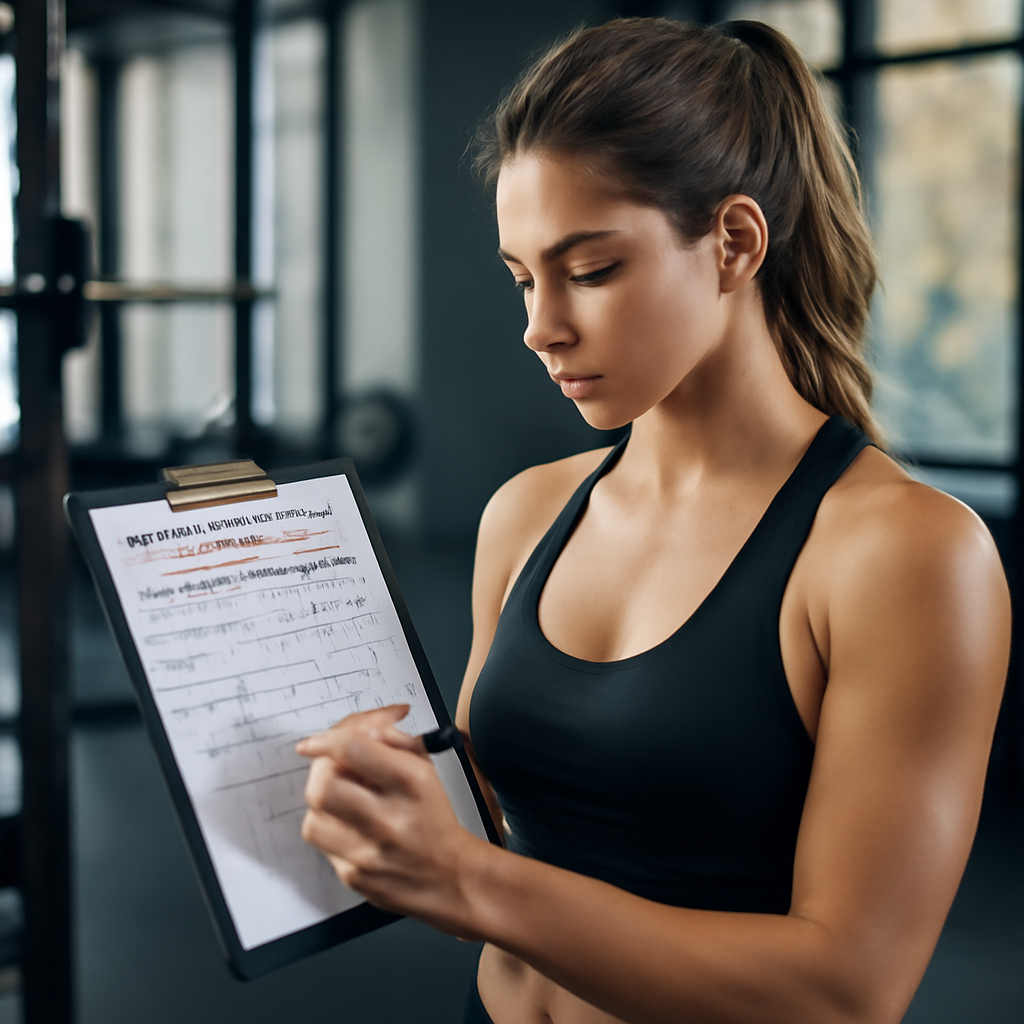
Secret 5: Periodize your week for consistency, not exhaustion. Most busy adults thrive on three strength sessions weekly, plus low-impact conditioning and walks. Rotating hard, moderate, and easy days maintains momentum through variable sleep and work demands. A simple rule is to keep at least 48 hours between heavier hinge or squat sessions and to add one rest or mobility day after your toughest workout. Then, track progress in ways that go beyond the scale.
| Day | Pre-natal (uncomplicated) | Post-natal (12+ weeks, cleared) | Peri/Post-Menopause |
|---|---|---|---|
| Mon | Full-body strength A, RPE (rating of perceived exertion) 6 to 7 | Core-breathing + lower strength basics | Heavy lower body A, RPE (rating of perceived exertion) 7 to 8 |
| Tue | Walk 30 min + mobility | Walk with pram 30 to 40 min | Intervals bike 20 min + mobility |
| Wed | Upper strength + carries | Upper strength basics + band pulls | Upper strength + carries |
| Thu | Rest or pelvic floor practice | Rest, breathing, gentle stretching | Walk 30 to 45 min |
| Fri | Full-body strength B | Full-body strength B, light loads | Power moves + step-ups |
| Sat | Swim or easy cycle 20 to 30 min | Family walk 30 min | Optional HIIT (high-intensity interval training) 8 to 12 min |
| Sun | Rest, gentle mobility | Rest, nap if possible | Rest, stretch, sunlight |
Beyond workouts, measure what matters. Track the heaviest comfortable carry for 20 meters, your sit-to-stand repetitions in 30 seconds, the number of unbroken push-ups, and how you feel climbing stairs. Many clients see faster improvements in these functional markers than on the scale. Over 12 weeks, it is common to add 20 to 40 percent to a beginner deadlift, while energy and confidence rise noticeably.
Mindset, Motivation, and Consistency
Secret 6: Build a system that survives busy days. Instead of all-or-nothing thinking, use always-something planning. When time is tight, do your warm-up, one big lift, and a carry. That 12-minute session still signals your body to maintain strength. Use implementation intentions like, “When the kettle boils, I do 10 calf raises” and habit stacking to reduce friction. Coaches at Health Moves Cairns use motivational interviewing (MI) to align training with your values, not just your calendar.
- Schedule sessions like appointments. Protect them kindly but firmly.
- Prep a training bin at home: bands, a kettlebell, and a mat.
- Use a two-week rolling average to judge progress, not one tough day.
- Write a “micro menu” of 10, 20, and 30 minute workouts for flexible wins.
Setbacks become data points, not verdicts. If you are tired, lower your RPE (rating of perceived exertion) by a point or reduce sets, then focus on form. The next time you feel good, nudge the dial back up. This adaptability keeps you consistent when life gets messy, which is when most results are won or lost.
Collaborate With Experts: The Health Moves Cairns Advantage
Secret 7: Surround yourself with a team that understands women’s physiology. Health Moves Exercise Physiology is a Cairns-based practice that blends science and support. You receive an initial assessment, a plan tailored to your stage, and coaching that respects symptoms and preferences. Our team collaborates with your GP (general practitioner) and other professionals so your exercise aligns with medical care, including considerations around pelvic floor, diastasis recti abdominis (abdominal separation), and menopause strategies such as HRT (hormone replacement therapy) discussions with your doctor.
| Your Need | Assessment | Program Element | Collaboration | Support |
|---|---|---|---|---|
| Pre-natal strength with comfort | Breathing, pressure, posture review | Trimester-wise loads, tempo, positions | GP (general practitioner), obstetric provider | Education on signs to modify |
| Post-natal rebuild | Pelvic floor screening, core checks | Gentle to progressive lifts, carries | GP (general practitioner), pelvic health physio | Child-friendly scheduling, nap-aware plans |
| Menopause and bone health | Strength, balance, fall risk | Heavy lifts, step work, power drills | GP (general practitioner), bone health clinic | Recovery coaching, sleep strategies |
| Chronic conditions or injuries | Functional movement screen, pain triggers | Evidence-based progressions, pacing | GP (general practitioner), allied health team | Ongoing mentorship and check-ins |
Consider Mia, a first-time mum who came to Health Moves Cairns 10 weeks postpartum with back tightness and low energy. We coordinated with her GP (general practitioner), began with breath and bracing skills, and used short, stroller-friendly walks. Over 12 weeks, Mia increased her deadlift from 15 kilograms (kg) to 40 kilograms (kg), performed 8 elevated push-ups, and reported fewer midday slumps. Her program felt achievable because it was built around nap windows, not against them.
For a peri-menopausal client, we might emphasize heavier lifts twice weekly, plus balance and power moves to maintain reaction speed. In many women, this blend raises strength and VO2 max (maximal oxygen uptake), supports mood, and steadies sleep. The aim is not to train like a pro athlete, but to move like the most capable version of yourself. That is the promise of collaborative, women’s health-specific care.
Seven Strength Secrets Recap
- Progressive overload with clear RPE (rating of perceived exertion) targets.
- Functional patterns that transfer to life.
- Life-stage alignment for pre-natal, post-natal, and menopause.
- Recovery and nutrition that match your training dose.
- Weekly structure that is realistic and repeatable.
- Mindset tools that make consistency easier.
- Professional collaboration for safety and speed of progress.
Want a quick self-check? Score yourself 0 to 2 on each secret: 0 means not yet, 1 means sometimes, 2 means consistent. A total of 10 to 14 means you are on track. Under 10 suggests easy wins await with tweaks to recovery, structure, or support. Health Moves Cairns can help you turn those tweaks into durable habits.
FAQ: Quick Answers From Our Exercise Physiologists
Pre-natal Is lifting safe during pregnancy? In uncomplicated pregnancies and with medical clearance, yes. ACOG (American College of Obstetricians and Gynecologists) encourages activity. Focus on breathing, form, and comfort, and avoid breath holds.
Post-natal How soon can I return to strength? Once your GP (general practitioner) clears you, begin with breath and coordination, then gradually load. Many women start with bodyweight and bands before progressing to 8 to 12 repetition sets.
Menopause How heavy should I lift? Choose loads that feel meaningfully heavy for 5 to 8 reps with impeccable form. Heavier training, balanced by recovery, supports bone and muscle during menopause.
Health Moves Exercise Physiology coaches follow evidence-based and functional movement strategies and collaborate with GPs (general practitioners) and other healthcare professionals. You will receive tailored individual assessments and exercise interventions in a child-friendly environment with ongoing mentorship for lifestyle changes.
Build a Womens Fitness Body With Purpose
Before you leave, pick one secret to implement this week. Maybe it is adding farmer’s carries after your next workout, prioritizing a 30-minute walk, or prepping a protein-rich breakfast. Then, block your next two sessions in the calendar. Consistency is a choice you make once, by designing your environment to nudge you toward the strong life you want.
Final expert tip: If you have a complex medical history or you are juggling symptoms that make lifting uncertain, do not wait for a perfect moment. Bring a professional on your team now. A single assessment can save months of trial and error and put your womens fitness body transformation on a safer, faster track.
What This Looks Like in Practice at Health Moves Cairns
From your first visit, we map your goals, movement patterns, and life stage, then translate them into a simple plan. Expect guided warm-ups, two or three big lifts that fit your pattern needs, and finishers like carries or step work, scaled to your energy. Between sessions, you receive check-ins and small, realistic homework that builds momentum, not stress. This is how strength becomes part of your lifestyle, not another item on the to-do list.
Conclusion
The core promise is simple: align training stress with recovery and life stage, and your strength will grow steadily and safely.
In the next 12 months, imagine lifting groceries and children effortlessly, sleeping more soundly, and seeing numbers climb in your training log without pain.
What would change in your week if your plan and support system were purpose-built for a womens fitness body?
CTA Section
Additional Resources
Explore these authoritative resources to dive deeper into womens fitness body.
Elevate Your Strength With Health Moves Cairns
Health Moves Cairns delivers tailored, evidence-based exercise programs with functional movement and professional collaboration in a child-friendly space for pre-natal, post-natal, and menopause.


