


Wondering how can exercise physiology help during pregnancy in a practical, safe, and science-backed way? Think of an accredited exercise physiologist as your personal guide through the body’s remarkable adaptations to pregnancy, bridging medical guidelines with movement that fits your life. The American College of Obstetricians and Gynecologists (ACOG) [American College of Obstetricians and Gynecologists (ACOG)] recommends at least 150 minutes of moderate activity each week, yet many expectant parents still feel unsure where to start. That is where Health Moves Cairns blends assessment, tailored programming, and real-world support, so you can feel strong, calm, and ready for the months ahead.
How Can Exercise Physiology Help During Pregnancy?
Exercise physiology applies the science of human movement to your unique health profile, trimester, and goals. During pregnancy, your blood volume rises, ligament laxity increases, and your center of mass shifts. A skilled practitioner translates those changes into targeted programming that protects joints, preserves core and pelvic floor function, and builds stamina for daily life and birth. Furthermore, you get a plan that adapts as your body changes, with clear progressions and easy metrics like the talk test and rating of perceived exertion (RPE) [rating of perceived exertion (RPE)] to keep intensity just right.
At Health Moves Cairns, your first visit typically includes a thorough history, movement screening, and discussion of pelvic floor concerns, then a collaborative plan with your general practitioner (GP) [general practitioner (GP)], midwife, or obstetrician. You could combine brisk walking, cycling, or water-based exercise (if accessible) with light to moderate strength training and mobility work that respects trimester needs. Most importantly, you learn how to respond to your body’s signals, reduce fear, and build confidence. If you find visuals helpful, picture a simple three-part model: breath, posture, and pelvic floor forming a triangle that supports every lift, step, and stretch you perform.
What Are the 7 Evidence-Based Benefits You Can Expect?
Evidence from clinical guidelines and meta-analyses indicates that consistent, moderate exercise during pregnancy is associated with meaningful health gains. Rather than guessing, you can anchor your routine in outcomes that matter, from cardiometabolic health to mental wellbeing and labor preparedness. Below are seven benefits frequently observed in research and practice, along with examples of how a Health Moves Cairns practitioner might bring them to life in your weekly plan. As you read, picture each benefit as a building block that stacks into a resilient, ready-for-birth foundation.
Watch This Helpful Video
To help you better understand how can exercise physiology help during pregnancy, we’ve included this informative video from Dr. Stacy Sims Official. It provides valuable insights and visual demonstrations that complement the written content.
- Lower risk of gestational diabetes mellitus with improved blood sugar control.
- Healthier blood pressure and reduced likelihood of hypertensive disorders.
- Appropriate gestational weight gain with better energy and mobility.
- Less back and pelvic girdle pain through targeted strength and posture work.
- Improved pelvic floor function with fewer symptoms of urinary leakage.
- Better mood, reduced anxiety and perinatal depression risk, and deeper sleep.
- Enhanced birth readiness, with greater endurance and body awareness for labor.
| Benefit | What the Research Suggests | In-Clinic Example at Health Moves Cairns |
|---|---|---|
| Blood sugar and gestational diabetes mellitus | Regular moderate activity plus resistance training helps improve insulin sensitivity and glucose tolerance. | Interval walking and resistance circuits 2 to 3 days per week, using talk test and blood glucose logs to personalize intensity. |
| Blood pressure and hypertensive disorders | Aerobic exercise is linked with healthier blood pressure and lower risk of hypertension. | Moderate aerobic activity such as walking, cycling, or water-based exercise 20 to 30 minutes most days, with seated breathing resets between bouts. |
| Gestational weight gain | Guideline-aligned activity supports appropriate gain and functional capacity. | Step-count goals and strength supersets that fit into 30 minute sessions, adapted weekly based on energy and nausea. |
| Back and pelvic girdle pain | Targeted strength and mobility can reduce pain and improve daily function. | Glute and deep core conditioning, hip mobility, and load management strategies for lifting, carrying, and work tasks. |
| Pelvic floor function | Pelvic floor muscle training can reduce urinary incontinence symptoms. | Pelvic floor muscle training with breath-coordination, cueing for relax-contract cycles, and postural education. |
| Mood, anxiety, and sleep | Routine activity is associated with lower perinatal depression risk and better sleep quality. | Enjoyable movement snacks, sunlit walks, and gentle evening mobility to support sleep onset and recovery. |
| Birth readiness and functional endurance | Improved cardiovascular fitness and body awareness may support labor efficiency. | Upright labor prep: squats, lunges, supported positions, and breath-work with partner coaching sessions. |
Which Exercises Are Safe by Trimester and How Do You Modify?
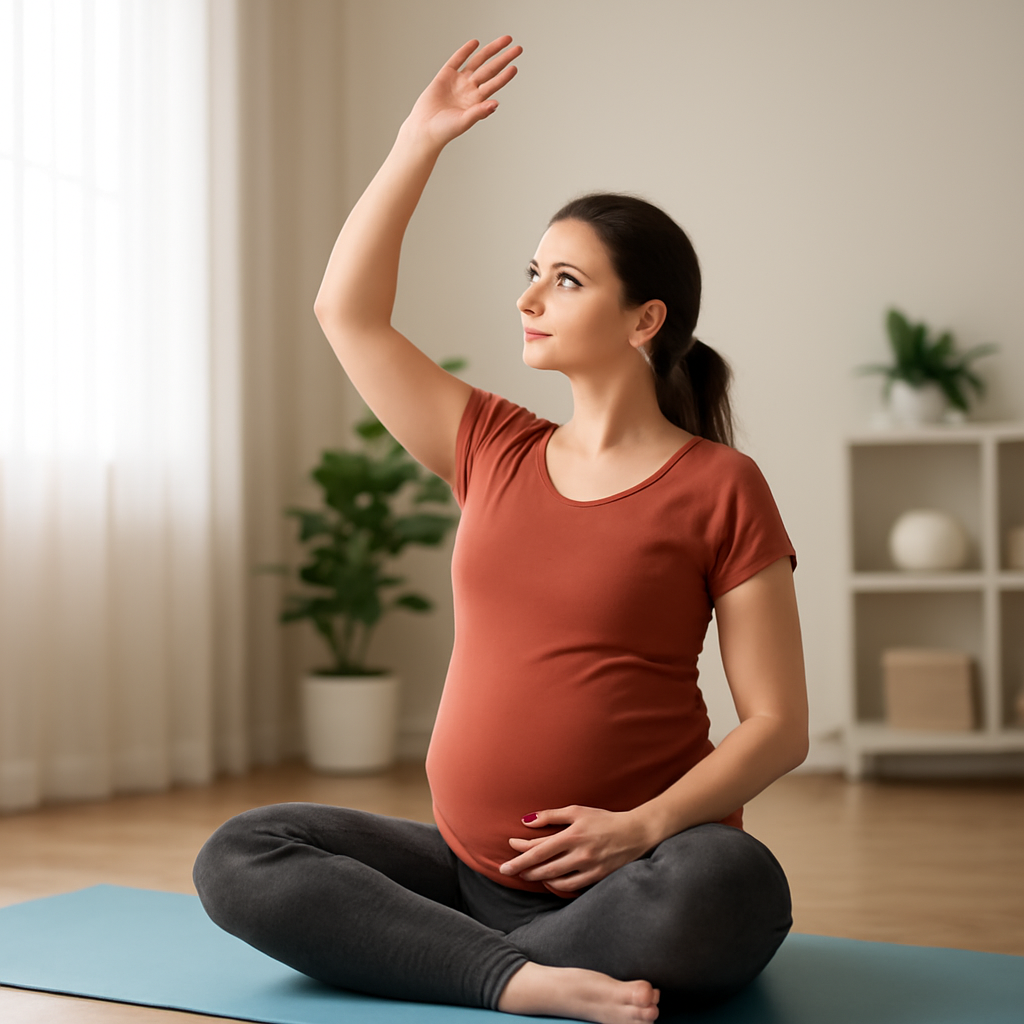
Safe prenatal programming flows with each trimester. In the first trimester, fatigue and nausea can fluctuate, so short bouts of movement often win. The second trimester typically allows more consistency, with rising focus on posture and core. By the third trimester, you will likely prioritize comfort, breath, and positions that reduce strain while maintaining strength. Across all stages, moderate intensity guided by the talk test or rating of perceived exertion (RPE) [rating of perceived exertion (RPE)] keeps you moving without overreaching, and supine time can be reduced after mid pregnancy to support circulation.
Here is an overview. Picture a simple timeline showing gradual adjustments from early to late pregnancy, with icons for walking, water-based exercise, and bands. Your Health Moves Cairns clinician will tailor the plan further based on your history, symptoms, and preferences, including pelvic floor cues, breath strategies, and recovery techniques specific to your day-to-day life.
| Trimester | Focus | Sample Exercises | Modify or Avoid |
|---|---|---|---|
| First | Establish routine, manage fatigue, gentle strength | Walks, light cycling, band rows, goblet squats, pelvic floor muscle training with breath | High-risk contact sports, overheating, maximal lifts; stop any session if you feel unwell |
| Second | Posture, core endurance, steady aerobic base | Water-based exercise (if accessible), incline walking or treadmill, deadlifts with light load, split squats, side-lying core | Long supine positions, high-impact jumping if symptomatic, Valsalva breathing |
| Third | Comfort, breath mechanics, labor prep, mobility | Upright mobility flows, supported squats, hip rocks, perineal relaxation practice | Exercises that worsen pelvic pressure, wide twisting at speed, prolonged static planks |
Many clients thrive on a simple weekly framework. For example: three 20 to 30 minute aerobic sessions, two short strength circuits, and daily 5 minute mobility plus pelvic floor practice. Additionally, sprinkle movement snacks across the day, like 10 sit-to-stands before a meeting or a gentle stretch after driving. If you miss a session, no problem; consistency over weeks matters more than perfection on any single day.
How Does a Health Moves Cairns Exercise Physiologist Personalize Your Plan?
Personalization starts with listening. Your Health Moves Cairns exercise physiologist captures your story, screens movement, and reviews medical factors with your general practitioner (GP) [general practitioner (GP)], midwife, or obstetrician. From there, they design tailored individual assessments and exercise interventions calibrated to your needs, preferences, and schedule. They consider specifics like prior injuries, pelvic floor symptoms, work demands, and whether you are caring for other children. In a child-friendly studio, you will practice functional patterns that mirror real life, like carrying, pushing, pulling, and getting up from the floor with ease.
Programming is evidence-based and dynamic. You will learn simple self-checks, such as the talk test, rating of perceived exertion (RPE) [rating of perceived exertion (RPE)], and pelvic pressure monitoring, to guide progress. You will also receive behavior-change mentorship, because habits stick best when built into your routines and values. If you are new to exercise, your clinician will start low and progress gradually; if you are active, they will help you train smart, not just hard. Collaboration is central, so if screening flags anything, your care team coordinates promptly to keep you safe and confident.
What About Risks, Contraindications, and Red Flags to Stop?
Most pregnancies benefit from movement, but safety comes first. Absolute or relative contraindications such as significant heart or lung disease, incompetent cervix, persistent second or third trimester bleeding, placenta previa after mid pregnancy, severe anemia, or preeclampsia warrant medical clearance and close monitoring. The American College of Obstetricians and Gynecologists (ACOG) [American College of Obstetricians and Gynecologists (ACOG)] publishes clear guidance, and your Health Moves Cairns team follows these recommendations while adapting to your context. If your situation changes, your plan changes with it.
Know the red flags that mean stop the session and contact your clinician or seek urgent care if severe: vaginal bleeding, regular painful contractions, amniotic fluid leakage, dizziness or fainting, chest pain, calf pain or swelling, shortness of breath at rest, or severe headache. Keep this quick-reference table handy. When in doubt, pause and talk with your exercise physiologist; a short delay is always safer than pushing through uncertain symptoms.
| Warning Sign | What You Might Feel | Action to Take |
|---|---|---|
| Vaginal bleeding | Spotting to heavy bleeding during or after activity | Stop immediately, contact care provider or seek urgent review |
| Amniotic fluid leakage | Gush or persistent trickle of fluid | Stop, call care provider, avoid continuing exercise |
| Chest pain or severe shortness of breath | Pressure, pain, or breathlessness at rest | Stop, seek urgent medical attention |
| Calf pain or swelling | Unilateral pain, warmth, or swelling | Stop, seek medical assessment to rule out clot |
| Severe headache or visual changes | Throbbing headache, flashing lights | Stop, seek medical advice promptly |
| Regular painful contractions | Rhythmic tightening that intensifies | Stop, contact care provider |
How Do Real Clients Benefit? Case Studies from Cairns
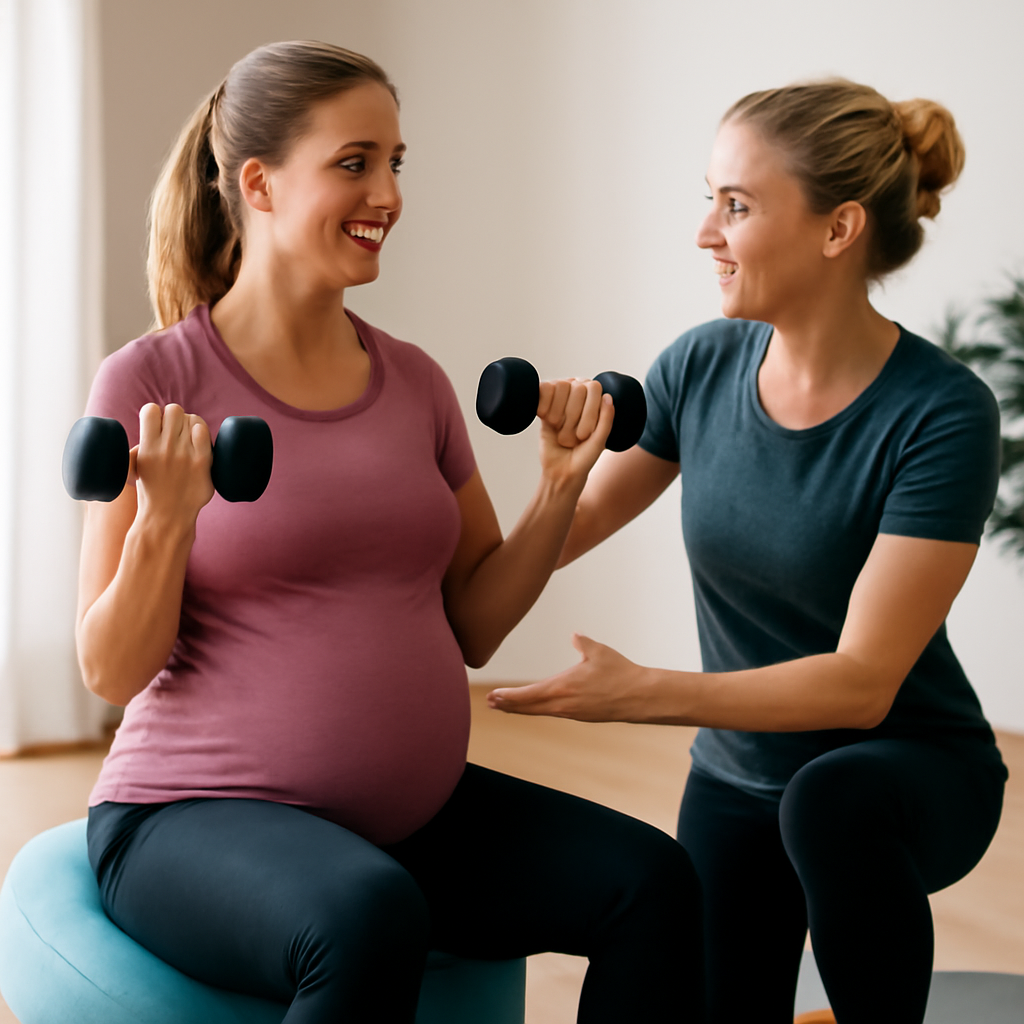
Emma, 31, arrived at Health Moves Cairns in her second trimester, worried about a family history of gestational diabetes mellitus and feeling uncertain about strength training. After a thorough assessment and a chat with her general practitioner (GP) [general practitioner (GP)], we mapped three 25 minute walks, two short resistance sessions, and nightly breath plus pelvic floor practice. Within weeks, her energy rose, her posture felt better at work, and her glucose logs stabilized. She loved the child-friendly space, already imagining returning postpartum with her baby for ongoing support and recovery.
Mia, 36, was active pre-pregnancy but developed pelvic girdle pain. We adjusted her plan to include lateral hip strength, gait tweaks, and activity breaks during her healthcare job. Pain eased from daily to occasional, and she regained confidence to keep moving safely. Finally, consider Ben, 42, attending with his partner; he joined a back-care strength session while their toddler played nearby. Although not pregnant, he managed chronic low back pain while learning how to support his partner’s labor positions. This inclusive, family-first model reflects our broader mission: meeting women’s needs before, during, and after pregnancy, while also helping men and children living with chronic conditions feel supported and capable.
What Does a Weekly Plan Look Like When Time Is Tight?
Busy week ahead? Here is a realistic, flexible template many Health Moves Cairns clients enjoy. Start with three 20 to 30 minute aerobic sessions such as brisk walking, cycling, or swimming (if accessible). Add two 20 minute strength circuits focusing on glutes, back, legs, and gentle core endurance. Layer in daily 5 minute mobility and pelvic floor muscle training, and anchor everything with nasal, diaphragmatic breathing to reduce tension and improve recovery. You can split these into movement snacks that slip around work, childcare, and appointments.
For example, Monday and Friday walks, Wednesday water-based session (if accessible), Tuesday and Saturday strength circuits with bodyweight and bands, and mini mobility each evening. Choose an intensity where you can talk in full sentences and rate effort as 4 to 6 on a 10 point rating of perceived exertion (RPE) [rating of perceived exertion (RPE)] scale. If nausea, fatigue, or pelvic pressure spikes, shorten the session or switch to a gentler option. Your plan is a living document, and your exercise physiologist will keep tuning it so you can keep moving with confidence.
Science-backed movement, tailored to your body and trimester, can transform pregnancy from uncertain to empowered.
Imagine the next 12 months with steadier energy, calmer sleep, fewer aches, and a clear plan for birth and recovery. With the right guide and a supportive, child-friendly setting, small steps add up quickly.
Which benefit would matter most for you right now, and how can exercise physiology help during pregnancy feel simple, safe, and sustainable in your routine?
Additional Resources
Explore these authoritative resources to dive deeper into how can exercise physiology help during pregnancy.
Personalize Your Pregnancy Exercise With Health Moves Cairns
For women navigating pregnancy and beyond, plus men and children with chronic conditions, our tailored individual assessments and exercise interventions deliver evidence-based, collaborative care in a child-friendly space.
Quick Q&A: Your Top Pregnancy Exercise Questions
Q: How many minutes should I aim for weekly?
A: Most guidelines suggest 150 minutes of moderate activity, plus 2 strength sessions, adjusted for symptoms and medical advice.
Q: Can I start if I have been inactive?
A: Yes, begin with short, frequent bouts and progress gradually with an exercise physiologist guiding intensity and recovery.
Q: Are core exercises safe?
A: Yes, when adapted; focus on deep core endurance, breath, posture, and pelvic floor coordination rather than maximal bracing.
Q: What about running?
A: If you ran pre-pregnancy and feel good, you may continue with monitoring and modifications. If symptoms arise, pivot to lower impact options.


