


If you have ever wondered, how does functional movement improve chronic conditions, you are in the right place. Functional movement focuses on patterns you use every day, such as squatting, lifting, pushing, pulling, and carrying. When these patterns are strengthened with the right dosage and technique, they ripple through your health. For women navigating pregnancy, postpartum recovery, or menopause, this approach blends safety with results, turning exercise into a practical tool for living well.
At Health Moves Cairns, the team at Health Moves Exercise Physiology guides you with evidence-based and functional movement strategies that meet you where you are. Whether you are returning to activity, managing pain, or building confidence after injury, the goal is to move in ways that matter to your life. As you read, you will find clear answers, research-backed benefits, and simple steps to start comfortably. Ready to see what a functional approach can do for your body and your week?
What Is Functional Movement, and Why Does It Matter for Women’s Health?
Functional movement is exercise built around real-life actions, not isolated muscles. Think of picking up your child, getting up from the floor, or reaching overhead to put away groceries. Training these patterns improves strength, balance, mobility, and coordination in integrated ways. Instead of asking one muscle to work alone, it teaches your body to act as a team, which is how you move through a busy day. This is especially important for women, whose needs shift across pre-natal, post-natal, and menopausal stages.
Why does this matter? Because chronic conditions rarely affect just one joint or system. Back pain changes how you lift, pelvic floor symptoms can alter how you breathe and brace, and fatigue reshapes your daily energy. Functional training links breathing, posture, and movement so that each rep rehearses better patterns. Studies have shown that multi-joint training improves daily function, lowers injury risk, and boosts confidence more than machine-only workouts, particularly in people managing pain or stiffness.
For expectant or new mothers, functional work can gently reconnect the core and pelvic floor, integrating breath with movement to reduce pressure on healing tissues. For women in perimenopause and menopause, it supports bone density and joint resilience with smart loading and balance practice. Health Moves Cairns builds these patterns into tailored plans, offering a child-friendly environment and group exercise classes so you can train the way you live. When exercise mirrors your life, progress sticks.
How Does Functional Movement Improve Chronic Conditions? 6 Evidence-Based Benefits for Women’s Health
The short answer is that it addresses root causes, not just symptoms. Functional training improves how you generate and transfer force, how you stabilize, and how you recover. Research links these changes to meaningful health outcomes, from reduced pain to better blood sugar control. Below are six benefits especially relevant to women before, during, and after pregnancy and through menopause, with practical examples you can use.
Watch This Helpful Video
To help you better understand how does functional movement improve chronic conditions, we’ve included this informative video from KenDBerryMD. It provides valuable insights and visual demonstrations that complement the written content.
- Pain Relief and Better Joint Mechanics
Functional strength work reduces pain by improving joint alignment, muscle balance, and movement efficiency. Systematic reviews report 30 to 50 percent pain reductions in knee and hip osteoarthritis with progressive exercise. Example: practicing sit-to-stand squats teaches hips to share load, easing back strain. Add tempo control and light resistance and you build tolerance safely. - Metabolic Health: Blood Sugar, Weight, and Energy
Resistance and brisk walking can reduce HbA1c (glycated hemoglobin) by about 0.5 to 1.0 percent in type 2 diabetes, with better insulin sensitivity after 8 to 12 weeks. Functional circuits that pair carries, step-ups, and rows move large muscles and raise energy expenditure. The result is steadier energy and fewer afternoon slumps. - Heart Health and Blood Pressure
Regular exercise lowers systolic blood pressure by roughly 5 to 8 mmHg (millimeters of mercury) in many adults. Functional intervals, like alternating brisk pushes on a sled with recovery walking, train the heart and lungs while sparing joints. Over time, everyday activities feel easier, and stairs no longer steal your breath. - Core and Pelvic Floor Integration
Coordinating breath, posture, and load enhances pelvic floor function. Pelvic floor training reduces urinary leakage for many women by 50 to 70 percent, especially when paired with full-body movements. Think exhale-to-lift during deadlifts or carries, which syncs pressure and support. This is vital pre- and post-natally and during menopause when tissues change. - Bone Density and Fall Resilience
Weight-bearing lifts and impact-appropriate drills can increase bone mineral density by 1 to 3 percent at the hip and spine over 6 to 12 months. Functional balance, like split squats and step-downs, improves stability and reaction time, reducing fall risk. Add a loaded carry, and you train grip, posture, and gait all at once. - Mood, Sleep, and Fatigue
Exercise is linked to 20 to 30 percent reductions in depressive symptoms and improved sleep quality in adults. Functional training’s variety and mastery elements create quick wins, building confidence fast. Short, focused sessions fit into family life, helping you stay consistent without draining your willpower.
Notice how each benefit compounds the others. Better mechanics make movement feel safer, which encourages consistency, which drives metabolic, cardiovascular, and mood improvements. At Health Moves Cairns, your plan scales from gentle fundamentals to challenging flows as you adapt. The team collaborates with GPs (General Practitioners) and other healthcare professionals to align your program with medical guidance, helping you move forward with clarity and support.
Which Functional Movements Help Most for Specific Conditions?
Different conditions respond best to specific patterns and progressions. The goal is to match the right movement to the right person at the right dose. Below is a quick reference table you can use when planning sessions. Consider intensity using RPE (Rating of Perceived Exertion) 1 to 10, where 3 to 6 is moderate and sustainable for most beginners. Remember to pair breath with effort and keep posture tall and relaxed.
| Condition | Priority Functional Patterns | Example Exercises | Starting Dose | Coaching Cues |
|---|---|---|---|---|
| Lower Back Pain | Hip hinge, anti-rotation, carry | Hip hinge with dowel, suitcase carry, dead bug | 2 to 3 sets of 8 to 10 reps, RPE (Rating of Perceived Exertion) 4 to 6 | Exhale on effort, keep ribs stacked over pelvis, move from hips |
| Knee Osteoarthritis | Squat, step, hip abduction | Box squat, step-up to low box, lateral band walk | 2 to 3 sets of 6 to 8 reps, pain-free range | Shins and thighs track, sit back to chair height, control down |
| Type 2 Diabetes | Whole-body circuits, brisk gait | Row-push-carry circuit, incline walking | 15 to 30 minutes, RPE (Rating of Perceived Exertion) 4 to 6 | Keep moving between stations, steady breath, tall posture |
| Post-Natal Core Support | Breath-core coordination, light hinge, carry | Heel slides with exhale, hip hinge to box, farmer carry | 1 to 2 sets of 6 to 10 reps, daily practice | Exhale to lift, gentle brace, no doming or pain |
| Peri/Menopause Bone Health | Squat, hinge, push-pull, impact as appropriate | Goblet squat, deadlift to knee, step-downs, med ball throw | 2 to 3 sets of 5 to 8 reps, progress load slowly | Quality over quantity, strong grip, stable feet |
| Cardiovascular Fitness | Rhythmic intervals, gait, step | Walk intervals, sled push, step ups | 10 to 20 minutes, 1 to 1 work to rest | Can talk in short sentences, recover fully |
Not sure where to start? Choose one upper-body pull, one lower-body push, one hinge, and a carry. Do two sets of each, moving with steady breathing. If you feel unsure about technique or symptoms appear, book an assessment with Health Moves Cairns to tailor the plan. Small, consistent steps beat heroic, inconsistent efforts every time.
What Does an Evidence-Based Program Look Like at Health Moves Cairns?
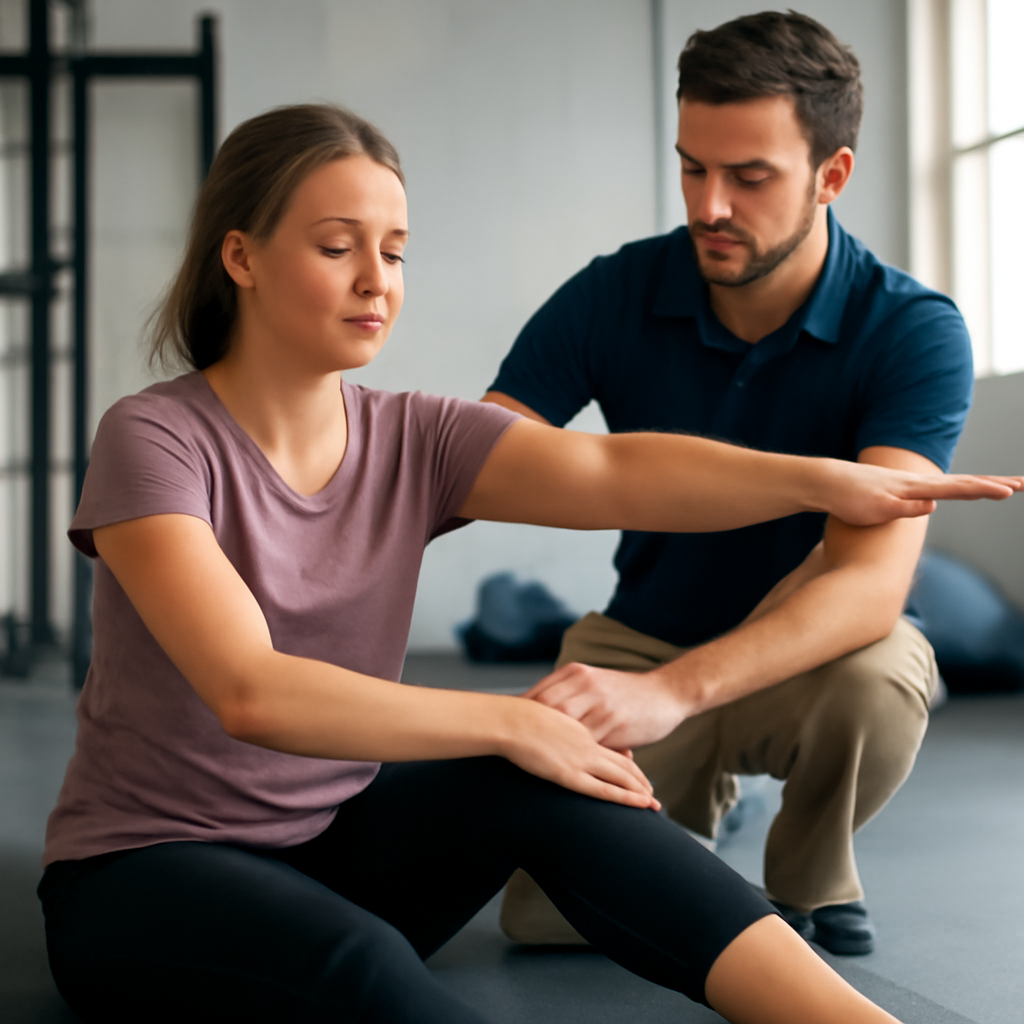
Health Moves Exercise Physiology is a Cairns-based practice with a child-friendly studio and group exercise classes. The team specializes in women’s health across pre-natal, post-natal, and menopause, while also supporting men and children with chronic conditions or injuries. Care begins with an individual assessment: health history, movement screening, symptom review, and goals that match your real life. From there, you receive a plan that blends functional movement, behavior change support, and collaboration with GPs (General Practitioners) and allied health.
Programs are progressed in phases. Early sessions emphasize breath, posture, and patterning to reduce pain and build confidence. The next phase introduces load and tempo to increase strength and bone health. Finally, conditioning is layered in with enjoyable intervals that fit your schedule. Throughout, you learn self-monitoring tools like RPE (Rating of Perceived Exertion), step counts, and symptom tracking so you understand your body’s signals. Mentorship and check-ins help you stay on track even when life gets busy.
| Feature | Health Moves Cairns | Typical Gym Approach |
|---|---|---|
| Assessment | Comprehensive, individualized movement and health screening | Basic questionnaire, minimal movement analysis |
| Program Design | Evidence-based and functional movement strategies tailored to goals | Generic machine circuits, body-part splits |
| Women’s Health Expertise | Specialized pre-natal, post-natal, and menopause programming | Limited or non-specific guidance |
| Medical Collaboration | Works with GPs (General Practitioners) and allied health for continuity | Rarely coordinates with healthcare providers |
| Environment | Child-friendly, inclusive, supportive atmosphere | Busy floor, limited space for family needs |
| Accountability | Ongoing mentorship, behavior change coaching, progress reviews | Self-directed, sporadic check-ins |
If you have ever felt lost between medical advice and gym programs, this bridge is for you. Health Moves Cairns ensures your plan aligns with any guidance from your GP (General Practitioner) or specialist. You will know what to do, why you are doing it, and how to adjust on tough days. That clarity may be the most powerful motivator of all.
Q&A: Common Concerns From Pregnancy to Menopause
Real questions deserve clear answers. Here are some of the most common concerns women share and how functional movement addresses them safely and effectively. Each answer includes a practical step you can try this week. When in doubt, work with a qualified professional to individualize the plan, especially during pregnancy and postpartum.
Q: Is it safe to lift weights while pregnant?
A: With medical clearance and appropriate coaching, yes. Prioritize a neutral spine, exhale on exertion, and avoid breath-holding. Swap heavy one-rep maxes for submaximal sets of 5 to 10 reps at RPE (Rating of Perceived Exertion) 4 to 6. Choose stable stances and use exercises like goblet squats, hip hinges to a box, and carries that keep you balanced and steady.
Q: What about diastasis recti (abdominal separation) after birth?
A: Start with breath-core coordination: exhale to create tension while lifting or standing. Build from heel slides and side-lying exercises to supported hinges and light carries. Watch for doming or coning along the midline and adjust. A tailored plan at Health Moves Cairns progresses you safely and builds capacity for daily life with your little one.
Q: Menopause is affecting my joints and sleep. Will this help?
A: Absolutely. Strength work improves joint support and bone density, while moderate conditioning enhances sleep quality. Aim for 2 to 3 strength sessions and 2 to 3 steady cardio sessions weekly. Add short balance practice during warm-ups to reduce fall risk. Keep a sleep wind-down routine and finish evening workouts at least two hours before bed.
Q: I am short on time. Can 15 minutes make a difference?
A: Yes. Try a mini circuit: 5 goblet squats, 5 rows per arm, 20 to 30 seconds of a farmer carry, rest, then repeat for 10 to 15 minutes. Short, frequent sessions are powerful, especially when they reflect daily movements. Consistency beats duration for many outcomes, from blood sugar stability to mood.
Q: How quickly should I progress?
A: Increase one variable at a time: load, reps, or sets. If today’s RPE (Rating of Perceived Exertion) is under 5 and technique is clean, add a small step. If pain or symptoms rise and do not settle within 24 hours, scale back and reassess. This measured approach builds confidence and keeps momentum going.
How Do You Start Safely and Stay Consistent?
Begin with an assessment, even if it is self-guided. List your top three daily tasks that feel hard right now. These become your training anchors. Choose one movement for each task and practice it two to three times per week. Use a conversational pace and track your RPE (Rating of Perceived Exertion) to keep intensity in a comfortable range. Over four weeks, you will notice better coordination and less effort for the same tasks.
Here is a simple template you can adapt:
- Warm-up: 3 to 5 minutes of brisk walking and gentle mobility.
- Strength: 2 to 3 sets each of squat, hinge, push, and pull, 6 to 10 reps.
- Carry: 20 to 40 meters with a weight you can hold tall, twice.
- Conditioning: 6 rounds of 40 seconds easy, 20 seconds moderate.
- Cool down: 2 minutes of breathing, long exhales, relaxed shoulders.
Consider these red and yellow flags. Red flags: chest pain, severe breathlessness at rest, sudden swelling, or neurological symptoms. Stop and seek medical review. Yellow flags: new or worsening joint pain, pelvic pressure, or unusual fatigue. Modify intensity, shorten sessions, and discuss with a professional. Health Moves Cairns collaborates with GPs (General Practitioners) and other clinicians to fine-tune programs around your needs and results.
Rung 1: Breath and posture alignment. Rung 2: Bodyweight patterning. Rung 3: Light load with slow tempo. Rung 4: Moderate load with control. Rung 5: Conditioning intervals added. Rung 6: Power and play elements, if appropriate.
Case example: Mia, 38, postpartum with back discomfort, began with breath work and sit-to-stands from a box. After four weeks, she added light deadlifts and carries. By week eight, she reported easier pram lifting and fewer pain flares. Her program was adjusted weekly at Health Moves Cairns, reflecting progress and life demands. This is the promise of functional training: it adapts as you do.
How Health Moves Cairns Bridges the Guidance Gap
Many women struggle to find specialized, supportive exercise that fits pregnancy, postpartum recovery, and menopause. Health Moves Exercise Physiology fills that gap with tailored plans, clinical collaboration, and an inclusive, child-friendly space. Programs focus on functional patterns so that improvements show up in your daily life, not just on a gym card. Ongoing mentorship helps you sustain habits, navigate setbacks, and keep momentum.
What sets the practice apart is the blend of evidence-based and functional movement strategies with behavior change science. You are coached to build skills you can repeat anywhere: how to brace, breathe, lift, and carry safely and effectively. The team coordinates with your GP (General Practitioner) or specialist, aligning exercises with medical guidance and recovery timelines. When your health team is connected, you get clearer advice, fewer contradictions, and more confidence.
In short, the process is about you. Your goals, your schedule, your stage of life. With structured support and a welcoming environment, the question shifts from “Can I exercise?” to “Which movements will move me forward today?” That shift is powerful. It turns effort into progress you can feel at home, at work, and everywhere in between.
QA: Quick Wins, Expert Tips, and Best Practices
Q: What are three quick wins I can try this week?
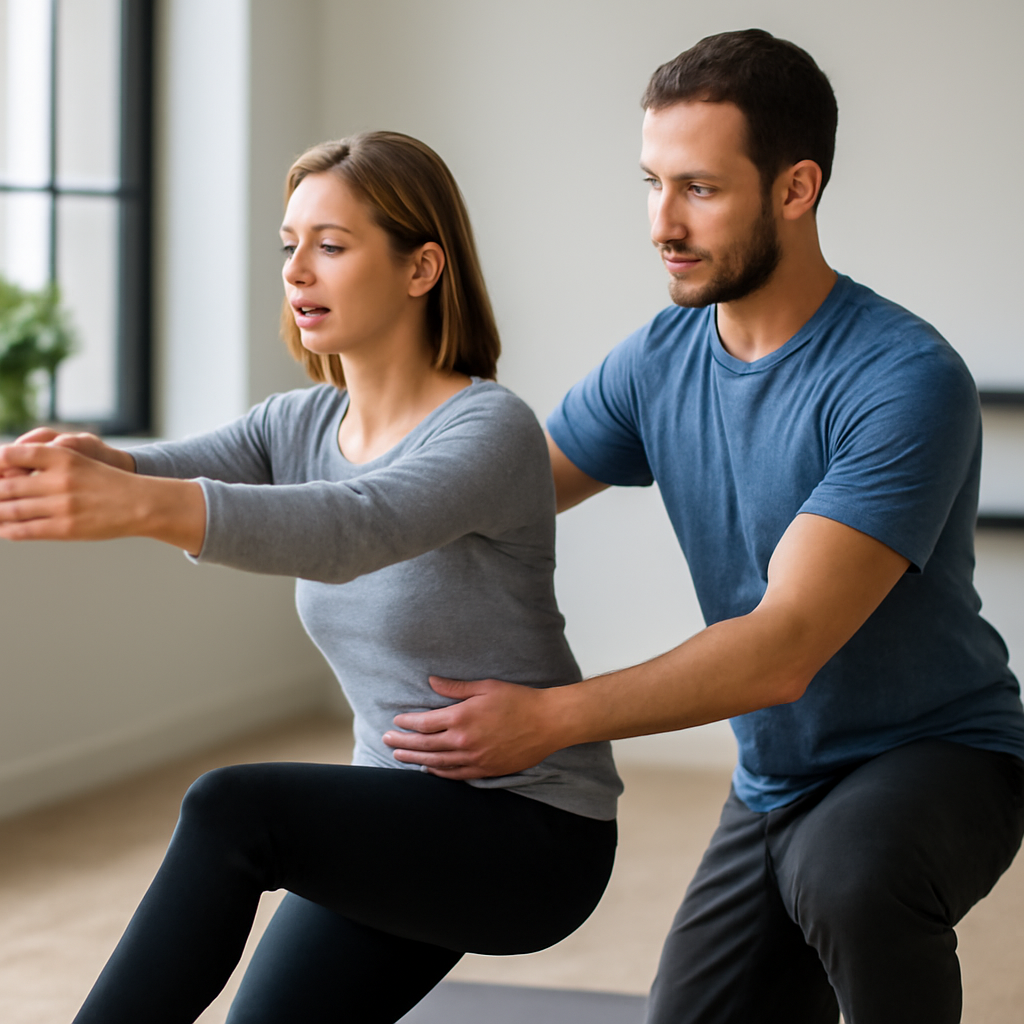
- Replace one seated rest with a one-minute carry using grocery bags or a light kettlebell.
- Do 8 slow sit-to-stands before coffee, focusing on exhaling as you stand.
- Add a 10-minute after-dinner walk to smooth evening blood sugar.
Q: How should I breathe during lifts?
A: Inhale to prepare, exhale through the effort while gently bracing the abdomen and pelvic floor. This aligns ribs over pelvis and reduces strain on the back and abdominal wall. If you notice neck tension, you are likely over-bracing. Soften the jaw and slow the tempo.
Q: What if I have limited equipment?
A: Bodyweight patterns, backpacks for load, and laundry detergent bottles make excellent substitutes. Focus on quality reps and stable positions. Progress with slower tempos before adding weight. Consistency with simple tools beats inconsistency with fancy ones.
Q: How will I know it is working?
A: Track three daily tasks that feel easier: lifting your toddler, carrying shopping, or climbing stairs. If effort drops over two to four weeks, you are on the right path. Basic measures like step counts, heart rate during walks, and RPE (Rating of Perceived Exertion) trends can confirm progress.
Key Stats at a Glance
| Outcome | Typical Change with Training | Notes |
|---|---|---|
| Pain in osteoarthritis | 30 to 50 percent reduction | With progressive strength and aerobic work |
| HbA1c (glycated hemoglobin) in type 2 diabetes | 0.5 to 1.0 percent reduction | Greater with combined resistance and aerobic training |
| Blood pressure | 5 to 8 mmHg (millimeters of mercury) decrease | Mostly from moderate aerobic training and weight loss |
| Bone mineral density | 1 to 3 percent increase | With progressive loading and impact as tolerated |
| Depressive symptoms | 20 to 30 percent reduction | Consistent moderate training most effective |
These figures come from pooled analyses and large reviews across sport and medical literature. Individual results vary, which is why a tailored plan matters. If you take medications or have complex conditions, coordinate with your GP (General Practitioner). The Health Moves Cairns team can liaise with your providers to keep your plan safe and effective.
Your Next Step: From Knowledge to Action
You now have a blueprint for using movement that mirrors life to change life. Start with one pattern, one cue, and one short session. Then stack small wins week by week. Health Moves Cairns can personalize the details, calibrate intensity, and keep you accountable. That mix of expertise and encouragement turns good intentions into durable habits.
Final Thoughts
Functional movement delivers real results for chronic conditions by targeting patterns you use daily and progressing them with care.
Imagine the next 12 months: steadier energy, stronger bones, and confident lifts that make family life feel lighter and more fun. With support and structure, you can thrive through every life stage. So, how does functional movement improve chronic conditions for you, starting this week?
Additional Resources
Explore these authoritative resources to dive deeper into how does functional movement improve chronic conditions.
Advance Your Functional Health with Health Moves Cairns
Health Moves Exercise Physiology delivers tailored, evidence-based functional movement strategies, behavior change support, and professional collaboration in a child-friendly space to serve women’s needs and lasting wellness.


