


Choosing prenatal exercise options can feel like standing at a crossroads: gentle mobility and relaxation techniques to ease tension, hydrotherapy to reduce joint load, or strength training to prepare for birth and beyond. Yet the best path is the one that keeps you safe while helping you feel stronger and more confident. Evidence-based guidelines from ACOG [American College of Obstetricians and Gynecologists] suggest most pregnant people benefit from regular movement, aiming for about 150 minutes of moderate activity each week. But how do you translate those numbers into a program that respects your changing body and your individual health history?
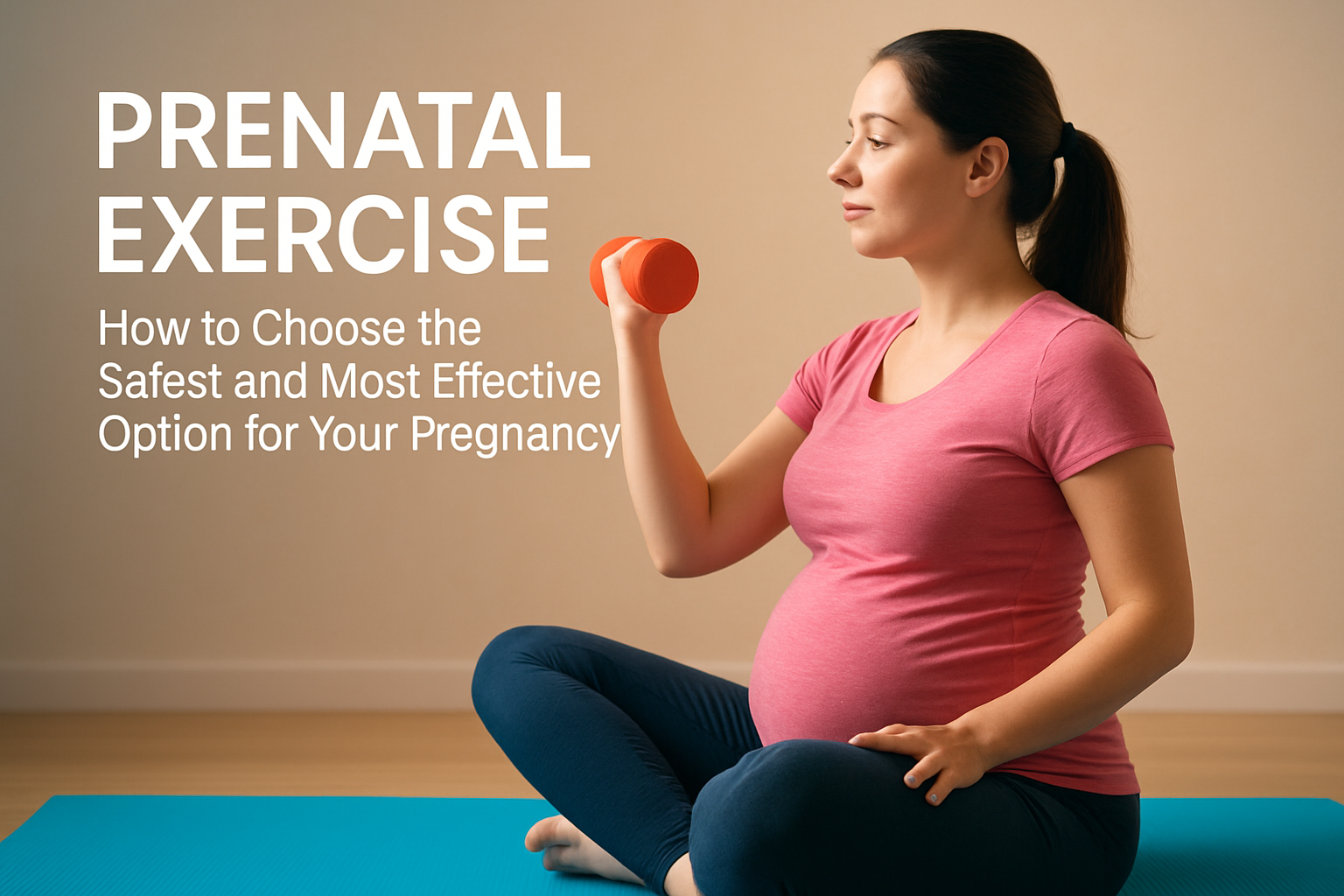
This guide helps you evaluate options with clarity, balancing science and common sense so you can move with assurance. You will learn how to screen exercise physiologists and providers, spot high-quality programming, and adapt by trimester without losing momentum. Along the way, you will see how Health Moves Cairns uses tailored individual assessments and exercise interventions to bridge the gap between medical advice and real-life training. Think of it like having a knowledgeable co-pilot: you choose your destination, and together you plan the safest, most effective route for your pregnancy journey.
Why Prenatal Exercise Matters for You and Your Baby
Well-designed movement supports nearly every system that is taxed during pregnancy, from circulation to posture and mental health. Population data referenced by WHO [World Health Organization] and ACSM [American College of Sports Medicine] indicate that regular activity can reduce the risk of excessive gestational weight gain and ease common discomforts like low back pain and pelvic girdle pain. Several reviews also suggest improved mood and sleep quality, and better cardiorespiratory fitness that may translate to a smoother return to activity postpartum. The key is balancing training stress with recovery, keeping intensity in the moderate zone using tools like RPE [Rating of Perceived Exertion] and talk tests.
However, pregnancy is not the time to chase personal records or ignore warning signs. Your center of mass shifts, ligaments become more compliant, and your cardiovascular system is already doing extra work, which changes how exercises feel. Good prenatal exercise programs scale demand and build capacities that matter in daily life: carrying loads, getting off the floor, or pushing a pram. At Health Moves Cairns, this is expressed through functional movement strategies, pelvic floor awareness, and breathing mechanics that prepare your body for birth tasks like sustained effort and changing positions. The goal is simple and powerful: finish each session feeling better, not depleted.
How to Choose Prenatal Exercise Options That Are Safe and Effective
Start with the fundamentals: safety screening, provider expertise, and a plan you can tailor. Ask whether the provider completes a pre-exercise health screen such as a PAR-Q [Physical Activity Readiness Questionnaire] and takes a detailed history of your pregnancy, medical conditions, previous activity, and any past injuries. Qualified leaders should hold relevant certifications and demonstrate familiarity with ACOG [American College of Obstetricians and Gynecologists] guidance, diastasis recti management, and pelvic floor considerations. You should also see clear progression models, with options to scale movements up or down based on day-to-day symptoms and trimester changes.
Watch This Helpful Video
To help you better understand prenatal exercise classes, we’ve included this informative video from Boho Beautiful Yoga. It provides valuable insights and visual demonstrations that complement the written content.
- Look for small group sizes and individual check-ins at the start of class.
- Seek programs that monitor intensity via RPE [Rating of Perceived Exertion] or talk test, not only HR [Heart Rate].
- Ensure alternatives are offered for supine (lying on the back) positions after the first trimester.
- Confirm collaboration with your GP [General Practitioner], midwife, or obstetric provider when needed.
- Ask how pelvic floor and breathing strategies are coached in different exercises.
Health Moves Cairns integrates these elements through tailored individual assessments and exercise interventions, ensuring every session is both purposeful and adaptable. Their clinicians coordinate with GPs [General Practitioners] and other healthcare professionals, so your exercise plan aligns with medical guidance for conditions like pelvic girdle pain, gestational diabetes, or hypertension. You are not a number in a room; you are a person with a story, preferences, and goals that deserve a custom-fit plan.
Comparing Popular Prenatal Class Types: What Fits Your Needs?
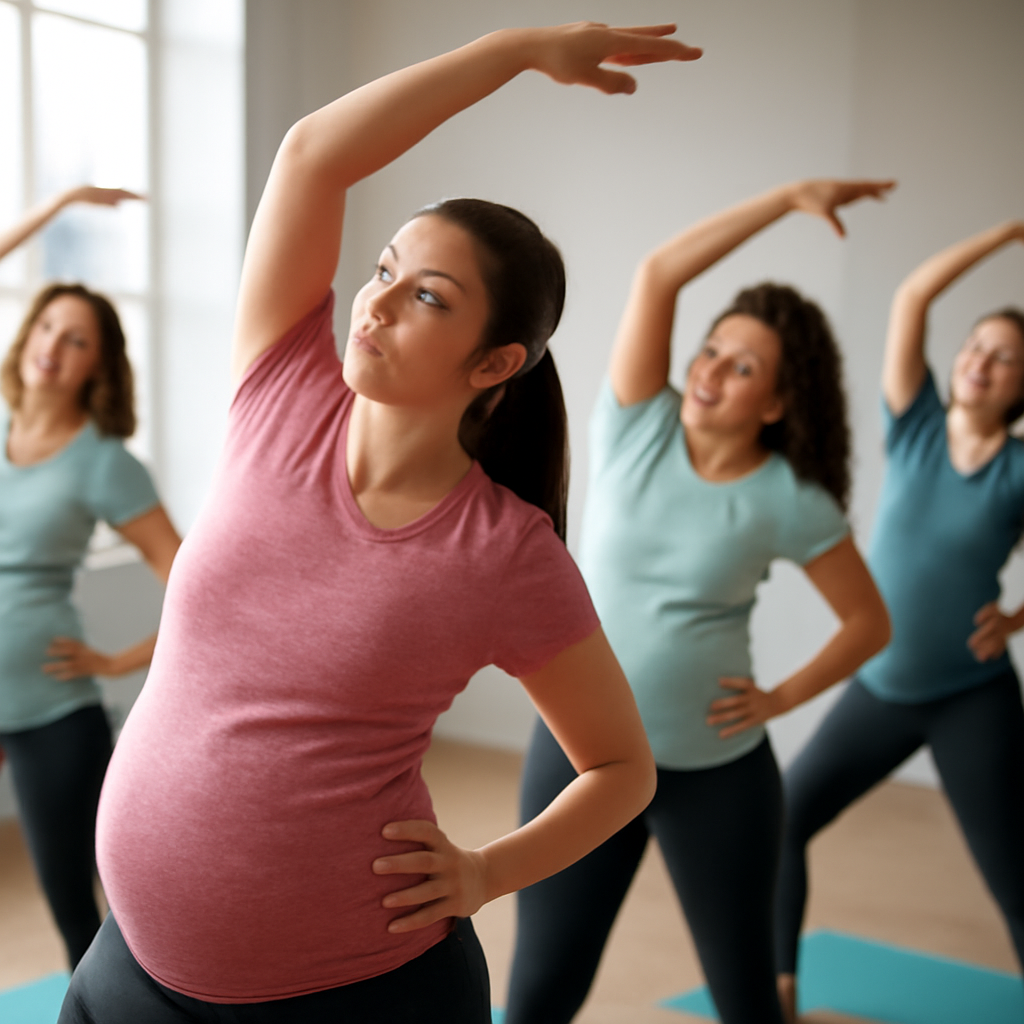
Different formats offer unique benefits. Think of the options like tools in a toolbox—each has a purpose, and the right blend depends on your body, your symptoms, and your schedule. Use the table below to compare common prenatal class types, their strengths, and considerations. Then, consider how a provider can mix formats across a week to build endurance, mobility, and strength without overloading any single area.
| Class Type | Key Benefits | Common Modifications | Who It Suits Best | Cautions |
|---|---|---|---|---|
| Prenatal Yoga | Breath work, mobility, relaxation, gentle strength | Avoid prolonged supine poses; widen stance; focus on stability | Stress relief, flexibility needs | Limit deep twists; manage hypermobility |
| Prenatal Pilates | Core control, postural endurance, pelvic floor awareness | Side-lying or seated alternatives; cue pressure management | Back discomfort, posture support | Monitor for doming with diastasis recti |
| Aquatic/Aqua Fitness | Reduced joint load, cooling environment, aerobic work | Use buoyancy belts; emphasize alignment in water | Pelvic girdle pain, swelling, overheating risk | Hydrate; avoid very hot pools |
| Strength/Functional Training | Builds resilience for daily tasks and birth prep | Neutral spine, split-stance options, tempo control | Preparing for lifting, carrying, and stamina | Prioritize technique over load |
| Stationary Cycling | Low-impact cardio, adjustable intensity | Raise handlebars; reduce long seated intervals | Maintaining endurance | Check for numbness or pelvic discomfort |
| Walking Groups | Accessible, social support, gentle conditioning | Walk on flat surfaces; vary pace; supportive footwear | Beginner-friendly, community focus | Monitor heat and hydration |
| Group Circuit Classes | Well-rounded mix of strength and cardio | Individual stations with regressions/progressions | Time-efficient training | Needs close supervision and scaling |
In practice, a balanced plan might include one strength session, one mobility-focused session, and one aerobic session each week, adjusted for symptoms and energy. At Health Moves Cairns, clinicians periodize your week based on your assessment, not a generic template. That means fewer guessing games and more confident training sessions that honor your body’s feedback day to day.
Trimester-by-Trimester Modifications and Red Flags
Training variables shift across trimesters as your posture, balance, and energy evolve. The progression is not linear—some weeks you feel powerful, others you need more recovery. The guidance below draws on consensus from ACOG [American College of Obstetricians and Gynecologists], WHO [World Health Organization], and clinical best practice, translated into actionable class adjustments. Use it as a conversation starter with your clinician and healthcare team.
| Trimester | Focus Areas | Programming Tips | Avoid/Modify |
|---|---|---|---|
| First | Nausea management, routine building, technique | Shorter bouts; moderate RPE [Rating of Perceived Exertion]; master breathing | Overheating; maximal efforts |
| Second | Strength endurance, posture, pelvic floor coordination | Split-stance lifts; side-lying core; tempo work | Prolonged supine positions; high-impact jumps |
| Third | Comfort, birth-specific stamina, mobility | Intervals with longer rests; chair and wall support; breath pacing | Exercises risking loss of balance; heavy straining |
| Warning Signs | What To Do |
|---|---|
| Vaginal bleeding, amniotic fluid leakage | Stop immediately; contact your GP [General Practitioner] or care team |
| Dizziness, chest pain, severe headache | Cease exercise; seek medical advice |
| Regular painful contractions or marked shortness of breath | Stop; monitor; consult your obstetric provider |
| Calf swelling or pain (possible clot) | Seek urgent assessment |
A skilled clinician anticipates these shifts and guides you to simple swaps. For example, a deep forward fold can become a hip hinge with a dowel and a bench for support; a supine core drill can become side-lying breathwork with tension management. At Health Moves Cairns, these choices are informed by your assessment and, where appropriate, by direct communication with your GP [General Practitioner] or allied clinicians, creating a safer training ecosystem.
Inside Health Moves Cairns: Evidence-Based, Personalised Care
Health Moves Cairns is built for life’s changing seasons, with specialised women’s health programs that span pre-natal, post-natal, and menopause. The team blends clinical knowledge with human-centered coaching, using tailored individual assessments and exercise interventions to anchor every decision. The environment is child-friendly and welcoming, which means you can bring your real life to the studio—prams, snacks, questions, and all—without judgment. The goal is confident movement that fits the realities of pregnancy and family schedules.
| What You Can Expect | How It Helps |
|---|---|
| Comprehensive initial assessment and goal-setting | Aligns training with your health history, symptoms, and preferences |
| Evidence-based and functional movement strategies | Builds practical strength for daily tasks and birth preparation |
| Collaboration with GPs [General Practitioners] and other healthcare professionals | Ensures programming respects medical guidance and changes in care plans |
| Child-friendly classes and family-aware scheduling | Reduces barriers to consistency and social support |
| Ongoing mentorship and behavior-change support | Turns short-term wins into sustainable, long-term habits |
This integrated approach solves a problem many women face: a lack of specialised guidance before, during, and after pregnancy. By combining clinical assessment with compassionate coaching, Health Moves Cairns closes the gap between what you should do and what you can actually do. That is the difference between a one-size-fits-all class and a plan you trust, week after week.
Real-World Scenarios, Practical Tips, and What To Ask Providers
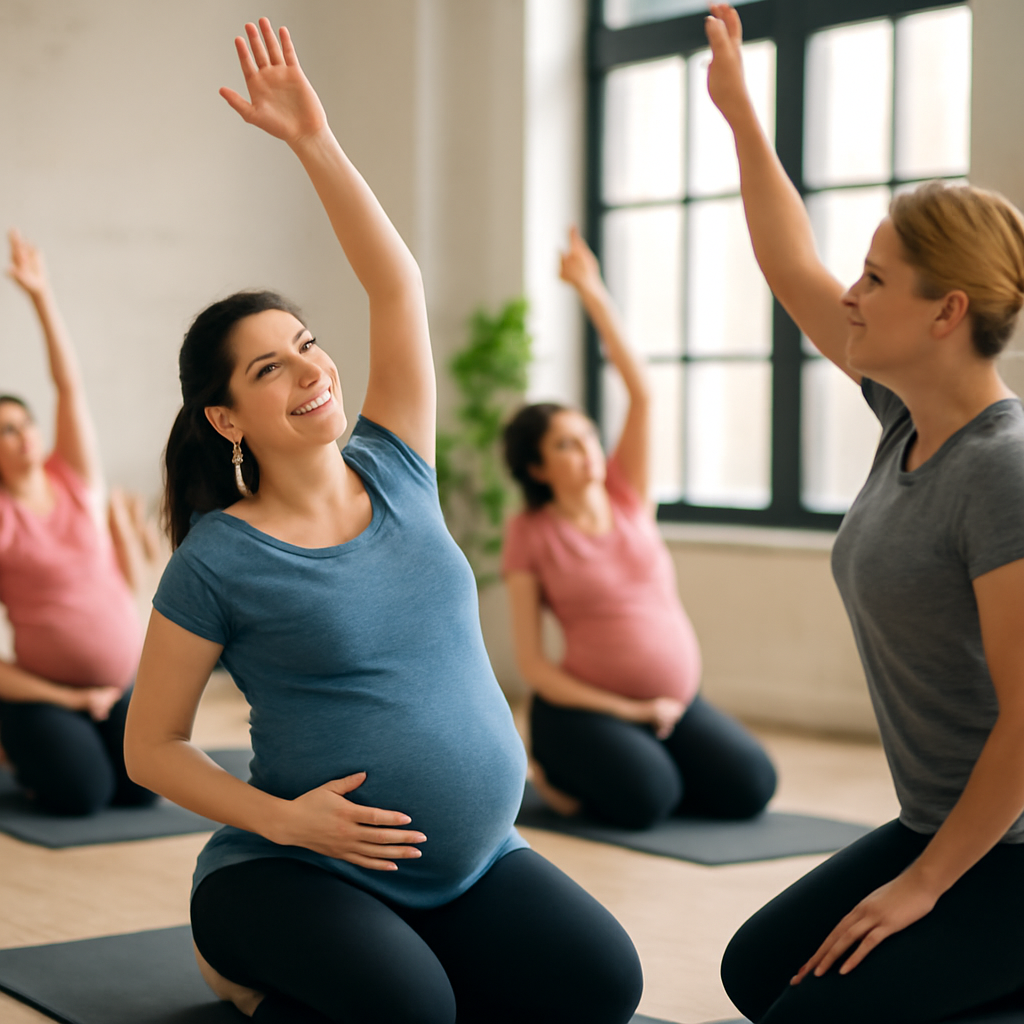
Every pregnancy writes its own story. Consider Mia, who loved high-intensity workouts before pregnancy and worried about losing her routine. Her Health Moves Cairns clinician replaced sprints with interval cycling, swapped barbell lifts for dumbbell split-stance patterns, and built breath-led core drills. She kept training three days a week, reported better sleep, and returned postpartum with a clear progression plan. Or think of Aaliyah, who had pelvic girdle pain; hydrotherapy offered relief, and carefully cued strength work gradually expanded her movement options without flare-ups.
As you evaluate providers, bring a short checklist. It transforms a vague conversation into clear decisions you can feel good about. The questions below help you separate marketing promises from program quality.
- How do you adapt workouts by trimester and day-to-day symptoms?
- What is your approach to pelvic floor and pressure management during lifts and core work?
- How do you use RPE [Rating of Perceived Exertion] or talk tests to guide intensity?
- Do you conduct an initial assessment and coordinate with my GP [General Practitioner] if needed?
- How are diastasis recti and pelvic girdle pain managed in class programming?
- What is the plan for postpartum return, including gradual load and impact?
Finally, set yourself up for success with small, consistent actions. Prepare a breathable outfit and supportive shoes, pack water and a light snack, and schedule classes at times you are most energized. Use a simple journal to track energy, sleep, and any symptoms; patterns guide smart adjustments. And remember, progress is not a straight line—your consistency over months matters more than any single session.
Costs, Scheduling, and Building a Sustainable Weekly Plan
Budget and timing often decide whether a plan survives the calendar. Transparent pricing and flexible options make it easier to stick with movement through the unpredictable rhythm of pregnancy. Many clients prefer a hybrid approach: one supervised session for form and progression, plus one or two guided home sessions with clear video cues or written plans. This blends accountability with autonomy while protecting your schedule and energy. If you are comparing options, consider the table below to identify the best fit for your goals and routine.
| Option | Pros | Considerations | Best For |
|---|---|---|---|
| Small-Group Clinical Classes | Individual attention; peer support; live coaching | Set times; may cost more than large gyms | Those wanting form feedback and safety |
| 1:1 Sessions | Fully personalised; rapid problem-solving | Premium pricing; scheduling logistics | Complex needs or symptom management |
| Hybrid (Clinic + Home Program) | Cost-efficient; flexible; sustained adherence | Self-motivation required for home days | Most schedules seeking balance |
Health Moves Cairns offers these models within a supportive, child-friendly setting, so the plan evolves with your trimester shifts and life demands. The throughline is consistent: tailored individual assessments and exercise interventions that keep you safe, engaged, and progressing, with clinicians who collaborate with GPs [General Practitioners] and allied providers when needed. With the right structure, your class plan becomes less of a task and more of a weekly anchor.
Conclusion
Safe, effective prenatal exercise options are built on individual assessment, skilled coaching, and smart modifications that grow with your pregnancy.
Imagine your next 12 months with a plan that strengthens your body, supports your mind, and welcomes your family—where each session fits your energy, symptoms, and goals.
What would change for you if every workout felt like a confident step toward birth and recovery, and which prenatal exercise option would you choose first?
Additional Resources
Explore these authoritative resources to dive deeper into prenatal exercise classes.
Choose Safer Prenatal Fitness With Health Moves Cairns
Access tailored individual assessments and exercise interventions to strengthen pregnancy, protect recovery, and nurture lifelong wellness for families in our supportive Cairns studio.


