


Ready to turn strength into a lifestyle? If your goal is women’s workout gaining weight in a healthy, confident way, you are in the right place. This educational guide explains how to add lean muscle, support overall wellbeing, and feel energized across pre-natal, post-natal, and menopausal stages. You will learn practical steps that blend training, nutrition, and recovery, plus see how Health Moves Cairns supports women with evidence-based programs in a welcoming, child-friendly space.
Before we dive in, here is the key idea: healthy weight gain for women prioritizes muscle, bone, and performance, not just the number on a scale. Research summarized by the World Health Organization (WHO) and other public health bodies shows that resistance training fortifies bone density, preserves independence, and supports metabolic health as we age. That matters even more during life stages marked by change, such as pregnancy, postpartum recovery, and menopause. With clear steps, a measured plan, and compassionate coaching, you can add strength without guesswork.
Why Healthy Weight Gain Can Be a Game-Changer for Women
Muscle is metabolically active tissue that supports posture, joint health, and daily performance, so adding it improves far more than your reflection. Studies suggest women can lose 3 to 8 percent of muscle mass per decade after age 30, and the rate may accelerate after menopause due to hormonal shifts. That is why a strategic plan emphasizing progressive resistance training and protein sufficiency can stabilize body composition and bolster bone density. Think of muscle as a savings account for future health, paying dividends in mobility and confidence.
During pre-natal and post-natal phases, a health-first approach centers on safety, pelvic health considerations, and gradual progress. Gentle but consistent resistance training can support posture and reduce aches by strengthening glutes, back, and core while respecting diastasis recti and pelvic health needs. In menopause and perimenopause, strength training helps counter decreased estrogen by maintaining muscle and bone density, while protein and resistance exercise can improve satiety and energy. Whether you are preparing for birth, rehabbing postpartum, or navigating hot flushes and sleep shifts, targeted training lays a resilient foundation.
Women’s Workout Gaining Weight: The 8-Step Checklist
1. Set a Clear, Health-First Goal and Baseline
Watch This Helpful Video
To help you better understand women’s workout gaining weight, we’ve included this informative video from Joanna Soh Official. It provides valuable insights and visual demonstrations that complement the written content.
Define exactly what “healthy weight gain” means to you: two to four kilograms (kg) of lean mass over three to six months, improved strength in key lifts, or better energy through your day. Take baseline measures: bodyweight, girth measurements, photos, and a strength snapshot such as a bodyweight squat test or pushups. If you are pregnant, postpartum, or managing a chronic condition, consult your GP (general practitioner) and consider a tailored assessment with an exercise physiologist to align goals with safety. At Health Moves Cairns, initial assessments address functional movement and women’s health needs, and set realistic timelines so you add muscle without risking setbacks.
2. Create a Small, Consistent Calorie Surplus and Dial in Macros
Gaining lean mass usually requires a modest surplus of 150 to 300 kilocalories (kcal) per day, paired with adequate protein. A practical protein target is 1.6 to 2.2 grams (g) per kilogram (kg) bodyweight, spaced across three to four meals to support muscle protein synthesis. Carbohydrates fuel training quality and recovery, while healthy fats support hormones and fullness, especially during menopause. If you are post-natal and breastfeeding, energy needs may be higher, so consider dietitian guidance and gradual changes that respect milk supply and your recovery stage.
| Life Stage | Daily Surplus | Protein Target | Carbohydrates Focus | Fat Focus | Notes |
|---|---|---|---|---|---|
| Pre-natal | Small, individualized | 1.2–1.7 g/kg | Steady energy, fiber | Omega-3 fats for health | Consult GP (general practitioner) and care team; prioritize safety |
| Post-natal | 150–300 kcal/day | 1.6–2.0 g/kg | Fuel training and recovery | Support hormones and satiety | Adjust for breastfeeding; progress gradually |
| Peri/menopause | 150–250 kcal/day | 1.6–2.2 g/kg | Training days slightly higher | Unsaturated fats for heart health | Focus on protein distribution across meals |
| General/maintenance | 150–250 kcal/day | 1.6–2.2 g/kg | Supports training intensity | Balance for taste and adherence | Reassess every two to four weeks |
3. Lift for Hypertrophy With Smart, Progressive Overload
Two to four resistance sessions per week, targeting all major muscle groups, creates the signal to grow. Aim for 6 to 12 repetitions per set across 3 to 5 sets, resting 60 to 120 seconds between, and increase load, reps, or sets gradually. Anchor your week around compound moves such as squats, deadlifts, presses, rows, and carries, then add accessories for glutes, upper back, and core. If you are pre-natal or post-natal, swap high-pressure core moves for pelvic health-friendly or core-safe variations and watch breath strategies to manage intra-abdominal pressure.
| Day | Focus | Compound Lifts | Accessories | Notes |
|---|---|---|---|---|
| Day 1 | Lower Body + Core | Goblet Squat or Back Squat, Romanian Deadlift | Hip Thrusts, Split Squats, Dead Bug | Post-natal: prioritize pelvic health-friendly core |
| Day 2 | Upper Push/Pull | Dumbbell Bench Press, One-Arm Row | Lat Pulldown, Face Pulls, Incline Pushups | Menopause: include upper back for posture |
| Day 3 | Full Body + Glutes | Trap-Bar Deadlift, Overhead Press | Glute Med Walks, Hamstring Curls, Farmer Carry | Scale intensity with rating of perceived exertion (RPE) |
4. Prioritize Protein Timing and Quality
Even distribution matters. Aim for 20 to 40 grams (g) of protein per meal, including a post-workout serving within one to two hours to support repair. High-quality sources such as dairy, lean meats, eggs, tofu, tempeh, and legumes provide essential amino acids, especially leucine for triggering muscle growth. During menopause, higher protein per meal may help offset anabolic resistance, while post-natal women often benefit from quick options like yogurt, smoothies, or egg muffins to match unpredictable schedules.
| Food | Approximate Serving | Protein |
|---|---|---|
| Greek yogurt | 200 grams (g) | 18–20 grams (g) |
| Cottage cheese | 200 grams (g) | 24–26 grams (g) |
| Chicken thigh | 120 grams (g) cooked | 28–30 grams (g) |
| Firm tofu | 150 grams (g) | 18–20 grams (g) |
| Lentils (cooked) | 250 milliliters (ml) | 17–19 grams (g) |
5. Respect Recovery: Sleep, Stress, and Breath
Muscle grows when you rest. Target seven to nine hours of sleep, and build a wind-down routine that reduces light exposure and cues calm breathing. Chronic stress can elevate cortisol, which competes with recovery, so use short walks, nasal breathing, and simple mobility to reset between life’s demands. If you notice increased pelvic floor symptoms, modify load and incorporate exhales on exertion to reduce pressure while keeping consistency high.
6. Track, Review, and Adjust Every Two to Four Weeks
Great plans evolve. Weigh in one to two times per week under similar conditions, track a few girths, and record gym performance so you see trends rather than day-to-day noise. If your average weight and strength are flat after two to four weeks, nudge calories up by 100 to 150 kilocalories (kcal) or add a set to key lifts. Health Moves Cairns uses simple dashboards and check-ins so you course-correct early, not months later.
| Metric | Why It Matters | Frequency |
|---|---|---|
| Bodyweight | Confirms surplus is modest | 1–2 times per week |
| Girths (waist, hips, thigh) | Shows shape changes beyond weight | Every 2–4 weeks |
| Strength in 3–5 key lifts | Direct signal of muscle gain | Weekly trends |
| Energy, sleep, mood | Recovery and stress snapshot | Weekly notes |
7. Supplement Wisely, If Needed
Creatine monohydrate at 3 to 5 grams (g) per day has strong evidence for improving strength and lean mass in women and is generally well tolerated. Vitamin D (vitamin D) and iron can be important for some women; ask your GP (general practitioner) for testing rather than guessing. A basic whey or soy protein powder can help you hit targets on busy days without replacing whole foods. If you are pregnant or breastfeeding, always check supplement safety with your medical team first.
8. Build a Support Team for Safe, Sustainable Gains
Adding muscle is easier with coaches and clinicians in your corner. Health Moves Cairns blends exercise physiology, functional movement strategies, and collaboration with GPs (general practitioners), women’s health physiotherapists, and allied health providers to personalize your plan. The environment is child-friendly, which makes consistency realistic for those with children, and ongoing mentorship supports behavior change over months, not weeks. That way, you gain strength, skills, and confidence you can keep.
Safety First: Pre-natal, Post-natal, and Menopause Modifications
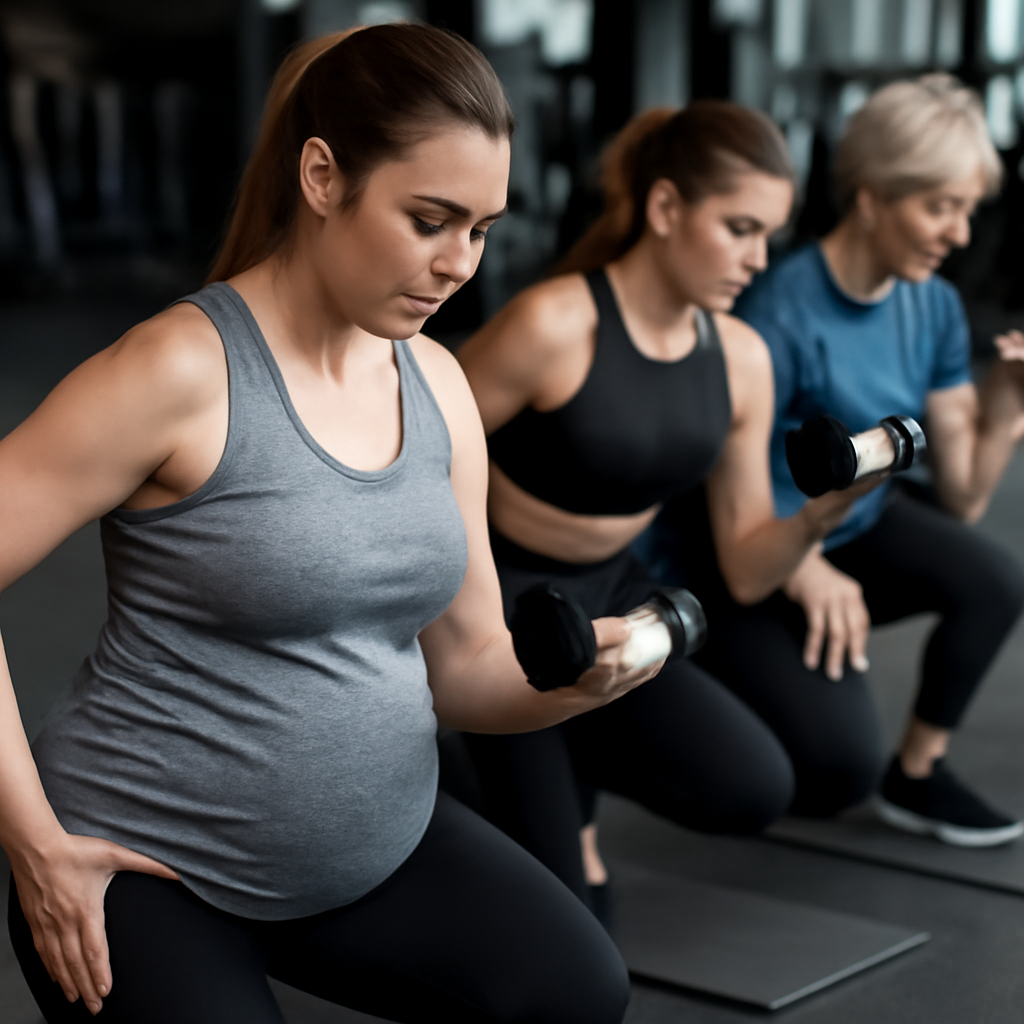
Pre-natal training prioritizes pelvic health awareness, stable posture, and manageable intensity that changes as pregnancy progresses. Swap high-impact drills for controlled tempo work, emphasize breath-coordinated lifts, and use side-lying, half-kneeling, or incline setups as needed. Post-natal, many women benefit from rebuilding diaphragmatic breathing and deep core control before pushing heavy loads, especially if diastasis recti or pelvic floor symptoms are present. In menopause, lifting intensity and adequate recovery become the one-two punch for maintaining bone density, with walking and mobility as supportive layers.
Here is a mental diagram you can imagine: a stoplight model for readiness. Green days mean you feel slept, fueled, and symptom-free, so push progressive overload. Yellow days mean moderate energy or mild symptoms, so work technique and moderate volume. Red days mean acute pain or concerning symptoms such as pelvic heaviness or leaking; switch to breathwork, mobility, and communication with your care team. This flexible approach respects your body’s signals while keeping you moving forward.
Common Mistakes That Slow Healthy Gain
Small missteps add up. Skipping protein at breakfast makes it hard to hit daily targets and can amplify cravings later. Doing only high-intensity cardio without enough resistance training blunts the muscle-building signal and recovery. Chasing rapid scale changes pushes you toward fat gain rather than lean tissue. Finally, ignoring pelvic health and core strategy can create setbacks; it is smarter to modify early and keep momentum than to push and pause repeatedly.
- Under-eating during the week, then overeating on weekends.
- Program-hopping before progressive overload has time to work.
- Too little sleep, then compensating with more caffeine instead of recovery.
- All-or-nothing behavior that derails adherence during busy seasons.
Real Results: How Health Moves Cairns Supports Each Life Stage
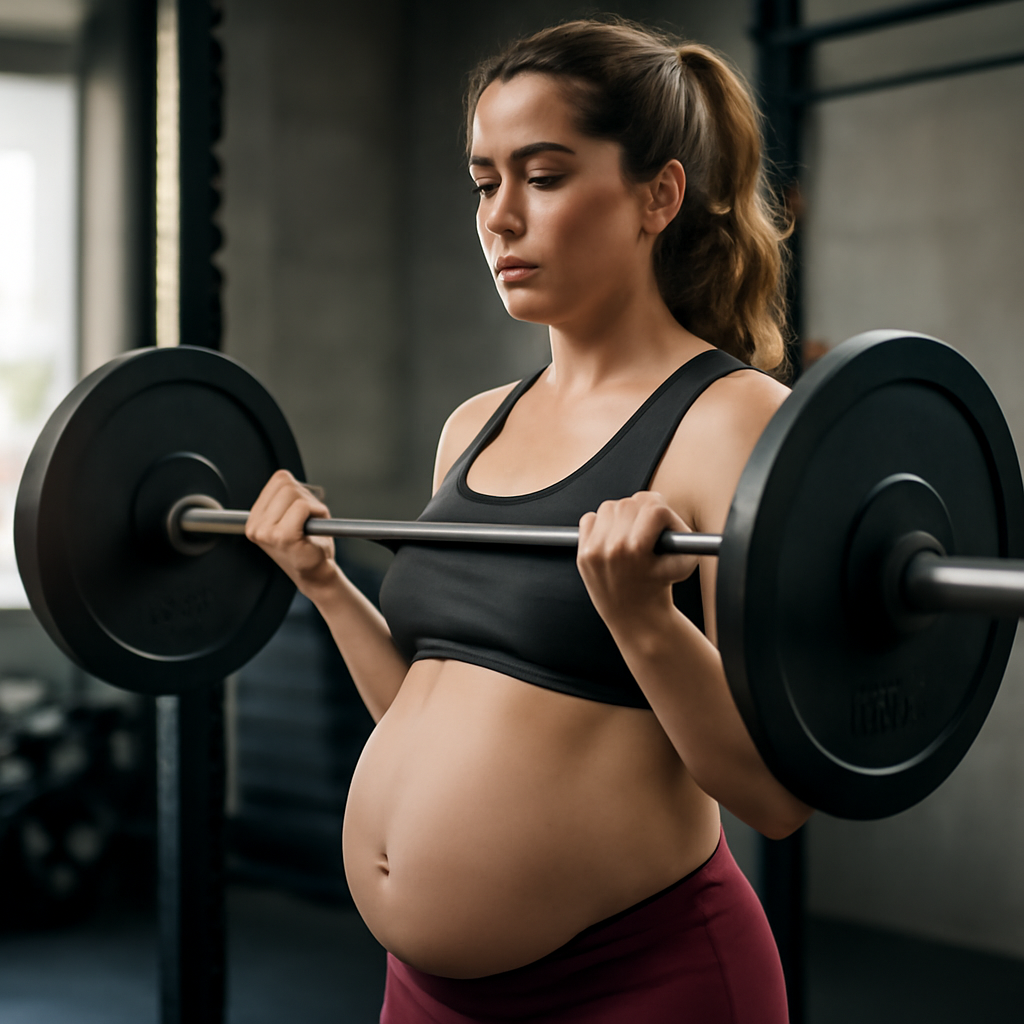
Health Moves Exercise Physiology is a Cairns-based practice focused on empowering individuals, especially women, to feel stronger, more resilient, and confident at every life stage. The team provides tailored assessments, evidence-based exercise programming, and functional movement strategies that address unique needs across pre-natal, post-natal, and menopause. They collaborate with GPs (general practitioners) and healthcare professionals, offer a child-friendly environment, and deliver ongoing mentorship for lasting lifestyle change. This integrated approach fills the gap many women face when navigating significant body changes without specialized, supportive guidance.
| Area | Typical Self-Directed | With Health Moves Cairns |
|---|---|---|
| Assessment | Generic templates | Individual assessments and screenings for movement and women’s health |
| Programming | Random workouts | Evidence-based periodization tailored to life stage |
| Medical Collaboration | Little coordination | Collaboration with GPs (general practitioners) and allied health |
| Environment | Not family-friendly | Child-friendly space |
| Support | Short-term advice | Ongoing mentorship and behavior change support |
| Outcomes | Inconsistent gains | Stronger, safer, sustainable muscle and confidence |
Practical Meal and Training Ideas You Can Start This Week
Training examples could include goblet squats paired with incline pushups, hip thrusts matched with rows, and finishers such as loaded carries to build grip and core. Keep two to three sets in week one, then add a third or fourth set in week two or three to progress. For meals, combine 30 grams (g) of protein with colorful carbohydrates and healthy fats: think Greek yogurt with berries and nuts, tofu stir-fry with rice, or chicken with quinoa and olive oil. Planning two reliable snacks such as cottage cheese and fruit or a smoothie with milk and oats reduces the chance you under-eat during busy days.
Need a simple rhythm? Use the plate-model: half the plate colorful vegetables, one quarter protein, one quarter carbohydrates, plus a thumb of healthy fat. On training days, edge the carbohydrates up to support performance and recovery, and consider a protein-rich snack within two hours of lifting. During menopause, prioritize hydration and electrolyte-rich foods if hot flushes or night sweats increase fluid losses. For post-natal women, prep grab-and-go options on calm days so you can fuel consistently when routines are unpredictable.
Mini Case Snapshots: Evidence in Everyday Life
Amelia, six months post-natal, began with breath-coordinated lifts, a pelvic health consult via a women’s health physiotherapist, and three 45-minute strength sessions each week. With a 200 kilocalories (kcal) surplus and 1.8 grams (g) protein per kilogram (kg), she added two kilograms (kg) of lean mass in 16 weeks, eliminated back aches, and could carry her pram upstairs without strain. Priya, 49, trained three days weekly with a focus on deadlifts, rows, and single-leg work, plus vitamin D (vitamin D) testing via her GP (general practitioner). She gained visible strength, reported fewer hot flushes, and improved sleep as her evening routine and recovery improved.
For Sienna, in the second trimester, sessions emphasized posture, anti-rotation core work, and tempo-controlled lower body lifts. As fatigue ebbed and flowed, intensity scaled with rating of perceived exertion (RPE), and results were tracked via energy, sleep, and functional daily tasks. She finished pregnancy feeling stable and strong, with a plan to gently rebuild in the fourth trimester under coordinated guidance. These stories reflect a simple truth: when programs are individualized and collaborative, women thrive.
The eight steps above guide you from intention to action with safety, clarity, and consistent progress. Imagine your next year shaped by stronger lifts, steadier energy, and clothes that fit your growing strength, not just the scale. What would it feel like to follow a women’s workout gaining weight plan that respects your body, season of life, and goals?
In the next 12 months, you could add meaningful muscle, reduce daily aches, and build confidence that spills into every room you enter. With the right team and plan, small choices compound into durable change. Which step will you take first to turn your women’s workout gaining weight goal into lived experience?
Additional Resources
Explore these authoritative resources to dive deeper into women’s workout gaining weight.
Boost Women’s Workout Gaining Weight Results With Health Moves Cairns
Health Moves Exercise Physiology delivers tailored, evidence-based care for women, including specialized pre-natal, post-natal, and menopause programs, building muscle, resilience, and wellbeing in a welcoming, child-friendly setting.


